





You may have experienced that some of your customers always stick with your brand and always prefer you over others. Have you ever thought why this happened?
Let me tell you that the main reason is the customer experience you provide them. Nowadays, with customers expecting seamless, personalized journeys at every touchpoint, customer experience is essential to your business’s survival.
Great customer experience turns one-time buyers into lifelong advocates, boosting loyalty and revenue. If you have a physical or online business, it is necessary for you in both cases. If you don’t know how, this blog is for you.
In this blog post, I will discuss how to improve the customer experience effectively, including proven techniques and strategies.
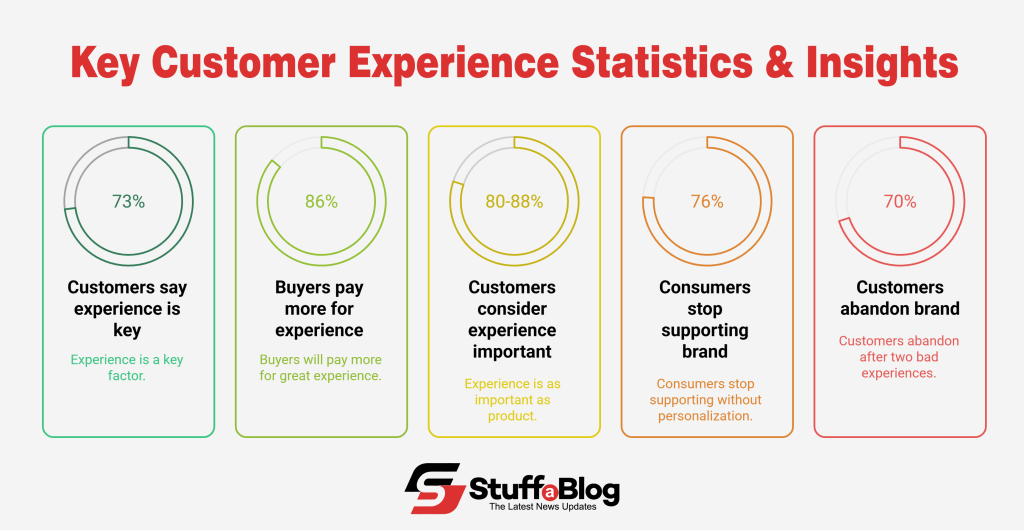
Key Customer Experience Statistics & Insights
- 73% of customers say customer experience is a key factor in their purchasing decisions.
- 86% of buyers are willing to pay more for a great customer experience.
- 80–88% of customers consider experience as important as the product or service itself.
- Up to 76% of consumers say they will stop supporting a brand if they don’t receive personalized service.
- Poor experiences lead to churn fast — around 70% of customers will abandon a brand after just two bad experiences.
Why is it Necessary to Focus on Customer Experience?
Positive customer experiences drive repeat purchases and loyalty, with 89% of consumers likely to buy again after a good experience. In today’s super-competitive market, where everyone’s products and prices seem the same, customer experience is the only thing that sets you apart from the rest.
When customers have a great time dealing with your brand, they stick around. If you provide them with an attention-grabbing customer experience, there is always a chance that you will have a loyal customer.
And it’s not just about keeping them coming back – a positive experience can turn a customer into an unpaid marketing superstar, spreading the word about how fantastic your brand is.
And let’s not forget the other benefits of putting customers first. Doing so gives you a real leg up on the competition, saves money by keeping customers from leaving and requiring costly help, and increases the cash your business brings in by keeping customers loyal for the long haul.

Proven Strategies to Improve Customer Experience Effectively
Here are the most effective strategies and techniques you can implement to improve your customer experience and build loyalty:
1. Build Stronger Connections Through Content Marketing
Content marketing is your secret weapon for building genuine bonds with customers. It’s about creating value that resonates, not just pushing products.
Delivering helpful resources such as blogs, videos, or guides positions your brand as a trusted advisor, leading to higher sales revenue and better cross-sell rates.
You should opt for weekly “behind-the-scenes” emails showing how you pack orders or test products. Go beyond promotion and share customer stories, quick tips, or interactive quizzes. Content builds trust; trust builds relationships.
2. Personalize Customer Interactions at Every Touchpoint
Personalization turns generic exchanges into memorable moments. It’s about using data to anticipate customer needs and make customers feel like the experience was designed just for them.
Companies that excel at personalization generate more revenue because customers reward brands with loyalty that deliver a good customer experience.
You can start small by remembering preferences, celebrating milestones, or following up after purchases. You can add birthday discounts tied to favorite products, and customers feel seen, not sold.
Nowadays, embrace AI for scale, such as suggesting advisor meetings after account openings to boost satisfaction.
3. Collect and Act on Customer Feedback
Feedback is gold, but only if you act on it. It’s not enough to ask; you must listen and act. Actively examining VoC data from surveys, social media, and tickets uncovers strengths and gaps.
For that, you can send post-purchase emails with one question: “What could we do better?” The replies will reveal any issues, such as packaging issues.
You should try to make it easy, just like one-click NPS, in-app polls, or post-chat ratings. It is recommended that in-app surveys and on-demand input widgets be used to analyze trends and drive proactive change. Close the loop, respond to reviews, and show value.
4. Invest in Proactive Customer Service
Reactive service fixes problems. Proactive service prevents them. Proactive outreach reduces customer loss because customers feel cared for before they complain.
Build resource centers with videos and FAQs that consumers prefer for self-help. You can also add live chat for instant help, reducing resolution time.
There is also another option, such as implementing chatbots for common queries and escalating complex ones to a human. Train for empathy, follow up post-resolution. Proactive customer experience doesn’t just solve problems; it prevents them and helps reduce churn costs.
5. Reward Loyalty with Meaningful Programs
Loyalty programs turn customers into loyal buyers when they feel valued beyond transactions. It’s about rewarding behaviors that build community, not just purchases.
You may be aware that the majority of consumers are swayed by perks such as early access or discounts, which increase repurchase.
Design tiers thoughtfully, with points for actions, reviews, and referrals, and escalating rewards. You can offer “VIP preview” nights for top buyers with maximum attendance and sales. Opt for making it emotional through milestone celebrations and personalized thanks, and let me tell you that most of them will feel more loyal.
6. Deliver Seamless Omnichannel Experiences
Customers switch between devices like websites, apps, chat, and phone, expecting continuity. Omnichannel strategies boost retention because journeys feel unified. You can sync carts across mobile and desktop. Use a central CRM for shared history; agents know past interactions.
A consistent tone across channels builds trust. Let me tell you that Matched email voice to chat will help get rid of confusion.
Avoid abandoning brands with inconsistent experiences. Make transitions smooth, such as clicking the email link, and the app opens at the same spot.
7. Use AI and Automation Wisely
AI handles scale without losing humanity. AI-powered chatbots resolve most of the routine queries, freeing humans for complex issues.
You can use bots for automated messages, such as “where’s my order?” with a response time under 10 seconds. Predictive analytics spot customer loss risks and re-engage lapsed users with tailored offers.
Automate personalization: birthday emails and reorder reminders. Keep in mind that over-automation always feels cold and offers human escalation. Keep “talk to a person” buttons prominent, trust preserved. AI for insights: sentiment analysis flags unhappy customers early. Balance tech with touch AI assists, and humans connect.
Final Thoughts
Delivering exceptional customer experience is your strongest differentiator. Embracing strategies like content marketing, personalized interactions, feedback loops, proactive service, loyalty programs, omnichannel engagement, and AI-powered support, you will drive loyalty and revenue while exceeding expectations at every touchpoint.
Personalized customer experience transforms one-time visitors into devoted brand advocates, setting you apart from the competition. Invest in relationships, respond to feedback, and keep your customer at the heart of every decision.
Start applying these proven techniques now, and watch your business thrive as customers choose you again and again for the memorable, personalized experiences you provide.