



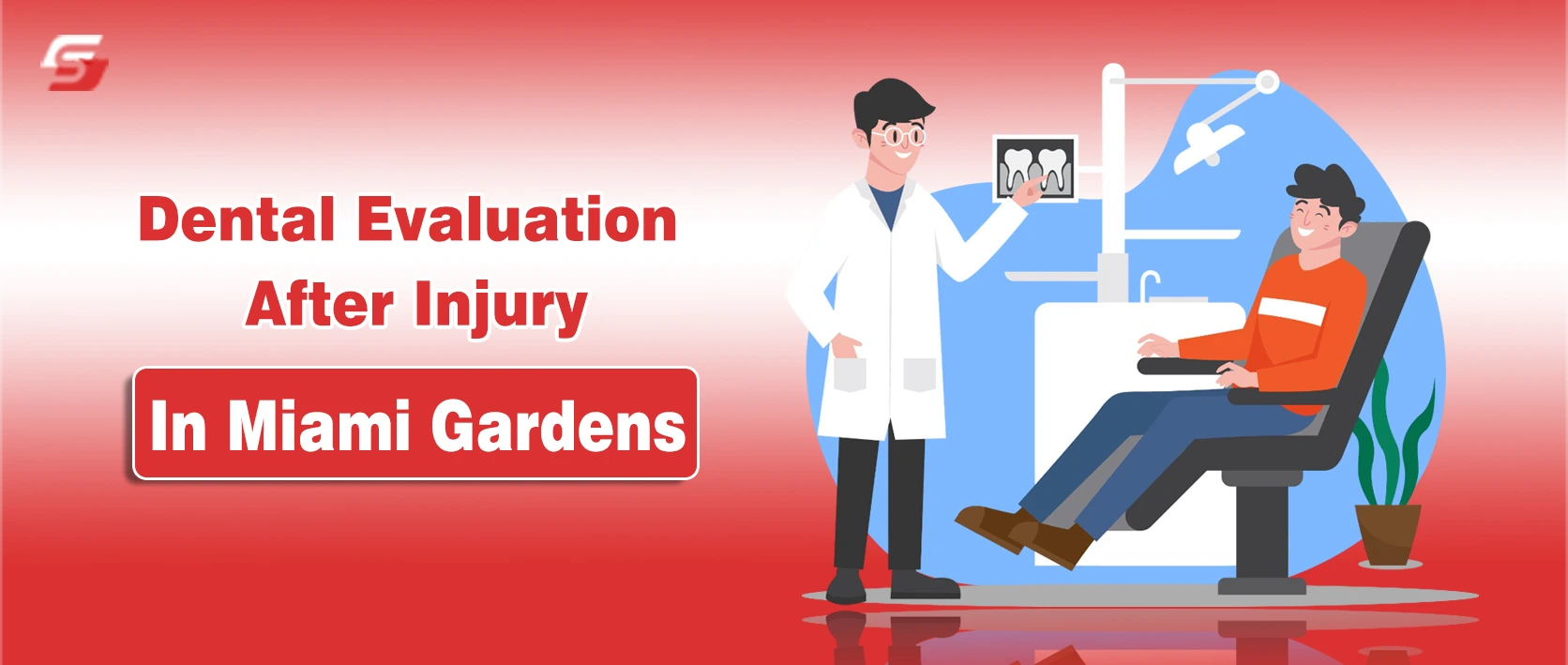
When you’re in an accident or sustain an injury, the dentist is not the first medical professional that comes to your mind. However, dental injuries can also occur in accidents. If you’ve been in an accident that has damaged your teeth, it is highly recommended that you see a dentist in Miami Gardens to resolve any issues.
Why immediate dental evaluation matters
Hidden damage isn’t always obvious
Not every dental injury comes with visible signs. You might feel fine after an impact, but underneath the surface, there could be fractures, root damage, or internal bleeding that only a dental professional can detect.
Traumatic dental injuries are most commonly caused by falls, sports injuries, traffic accidents, or physical violence. The full extent of the damage often isn’t clear without a proper clinical and radiographic evaluation.¹ Without being assessed, these hidden issues can worsen quietly over time.
Early treatment prevents complications
The sooner a dental injury is assessed, the better the chances of saving the affected tooth and preventing further damage. Delaying care can allow bacteria to reach exposed areas, increasing the risk of infection. Early treatment also gives your care team more options to work with, which can lead to a simpler, more comfortable recovery.
Types of dental injuries that require evaluation
Cracked or chipped teeth
Even a small crack can expose the inner layers of your tooth to bacteria, leading to sensitivity or decay if left unchecked.
Knocked-out teeth
A knocked-out tooth needs immediate attention. If you find the tooth, hold it by the crown and keep it moist in milk or saliva until you see your dentist.1
Loose or displaced teeth
A tooth that feels loose or has shifted after an impact may have damage to the surrounding tissue and bone. Avoid repositioning it yourself.
Injuries to gums or soft tissue
Cuts or bruising to the gums, lips, or tongue can signal deeper trauma. If bleeding doesn’t slow with gentle pressure, seek care promptly.
Jaw pain or difficulty opening your mouth
Jaw stiffness or pain after an accident could indicate a more serious issue. If your bite feels off or you can’t fully open your mouth, get evaluated.
When to seek same-day emergency care
Some dental injuries need immediate attention. Seek same-day care if you experience any of the following:
Severe bleeding that won’t stop
If bleeding from the mouth continues despite applying steady pressure, it may indicate a deeper wound that requires professional treatment.
Tooth completely knocked out
A knocked-out permanent tooth has the best chance of being saved when treated within the first hour. Get to your dentist or an emergency room as quickly as possible.
Suspected jaw fracture
Difficulty moving your jaw, visible swelling, or misalignment after an impact are signs that you need urgent evaluation.
Severe pain or swelling
Intense pain or rapid swelling after an injury can point to nerve damage or infection. Don’t wait; get it checked the same day.
When to schedule an evaluation within 24–48 hours
Not every injury calls for an emergency visit, but some still need prompt attention. If you notice any of the following after an accident, schedule an appointment within a day or two:
Minor chips or cracks
Small chips may not cause immediate pain, but they can worsen over time if bacteria get into the exposed area.
Tooth sensitivity after impact
New sensitivity to hot, cold, or pressure after a blow to the mouth could signal internal damage that isn’t visible on the surface.
Gum cuts or bruising
Minor soft tissue injuries usually heal on their own, but having them evaluated helps rule out underlying damage.
Mild jaw soreness
Some jaw discomfort after an impact is normal, but persistent soreness should be assessed to ensure nothing structural is affected.
Long-term consequences of delayed treatment
Increased risk of infection
Without timely care, bacteria can enter through cracks or exposed roots, leading to infection of the surrounding tissue and bone.
Permanent tooth loss
A treatable injury can worsen to the point where the tooth can’t be saved. If tooth loss occurs, your dentist can guide you through replacement options, such as types of dental implants.
Complications with surrounding teeth
An untreated injury can cause neighboring teeth to shift, change your bite, and lead to further decay or gum issues. Early evaluation helps prevent one problem from becoming several.
The bottom line
Dental injuries don’t always show their full impact right away. Whether it’s a minor chip or a knocked-out tooth, prompt evaluation by a “dentist near me” can protect your oral health and prevent complications down the road. Don’t wait for severe pain to tell you that something is wrong. Schedule an evaluation and let your care team guide the next steps.