




Key Takeaways
👉PTSD can affect anyone—not just those in extreme situations
👉Symptoms include re-experiencing, avoidance, mood changes, and hyperarousal
👉If symptoms persist beyond a month and disrupt life, evaluation is important
👉Trauma-focused therapy is the most effective treatment
👉Recovery is possible—even years after trauma
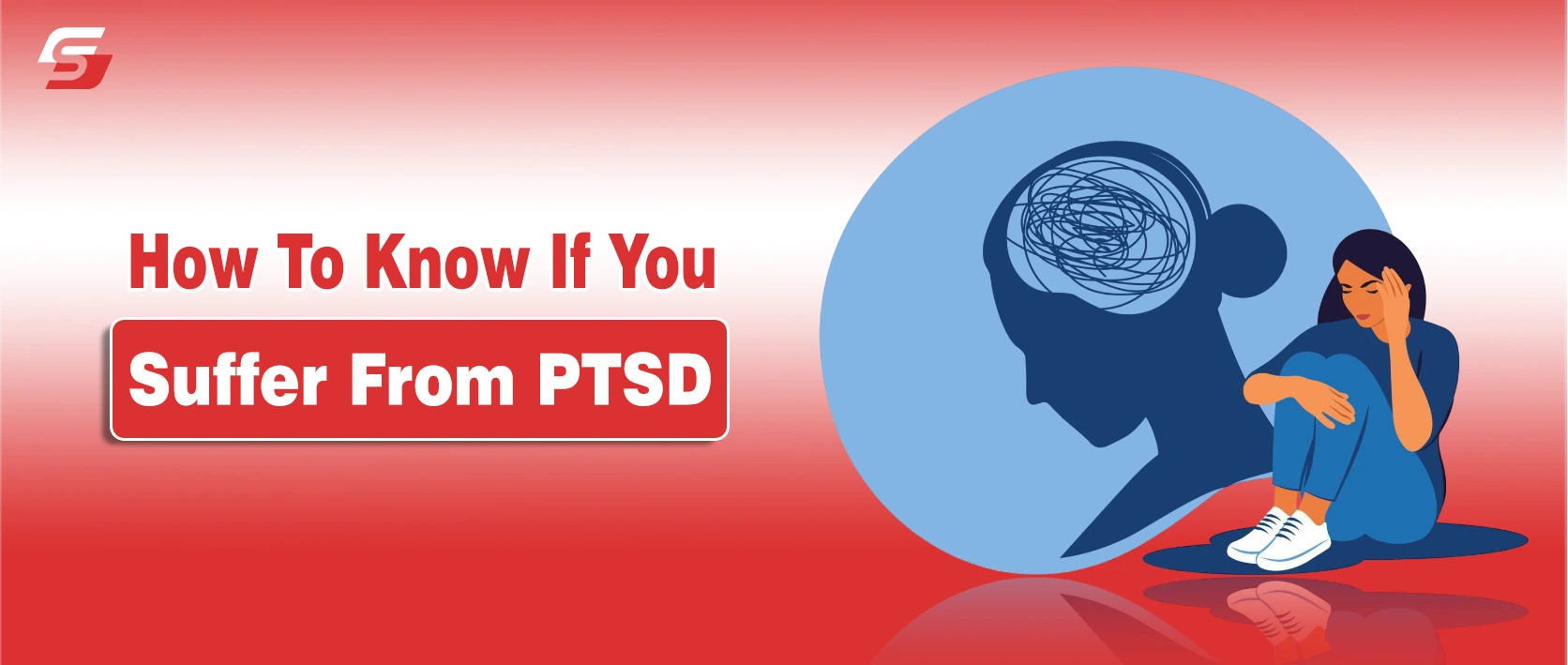
Post-Traumatic Stress Disorder (PTSD) is a mental health condition that can develop after experiencing or witnessing a traumatic event. It is mostly synonymous with war veterans. The first cases of PTSD entering the public eye came from former service members who struggled to deal with what they experienced while at war. Of all the mental health conditions out there, it’s likely the one with the most studies surrounding it – and the condition we know the most about/have spoken about for the longest time.
This guide explains how to recognize PTSD, what symptoms look like in daily life, and the most effective treatment options available today.

What Can Trigger PTSD?
As noted above, PTSD is common amongst veterans because they’re typically exposed to highly abnormal and incredibly stressful situations. These are known as traumatic events, yet other examples include:
- Witnessing death
- Being involved in a serious accident
- Being or witnessing violent assaults, including sexual assault
- Experiencing severe health problems
- Going through childbirth complications
- Being involved in extreme mockery or bullying at a young age
- Living through a natural disaster (studies show that 47.7% of individuals experienced PTSD symptoms after Hurricane Katrina)
This list demonstrates that traumatic events can manifest in more forms than the average person realizes. Put simply, if you experience anything that has a lasting negative effect on the way you think or feel, then you could have PTSD.
Key Signs/Symptoms Of Post-Traumatic Stress Disorder
Here’s where things get complicated because living through or experiencing a traumatic event does not automatically mean you suffer from PTSD. It’s not entirely to do with the event itself – if anything, your reaction to the event is more relevant.
People with PTSD will usually experience the following after their traumatic event (or events):
- Reliving the event through flashbacks or nightmares
- Serious difficulty sleeping at night
- Trouble concentrating because they’re distracted by the events in their mind
- Feelings of guilt (in some cases) due to what happened
- Intense feelings of anxiety or panic when around certain triggers – e.g. If you were in a traumatic car accident, then being in a car can trigger panic attacks or severe anxiety attacks
- Difficulty doing regular daily activities
If you deal with any of these symptoms following a traumatic or life-altering event, then you may have PTSD.
However, as the National Center for PTSD explains, it is completely normal for anyone to deal with these symptoms in the immediate aftermath of an event. The true problem kicks in if you’re still experiencing these symptoms months after the event took place. Some people will have difficulty sleeping or may deal with nightmares for a few days or weeks before they gradually get over it. Others will suffer beyond this point – and that’s when you’re classified as having PTSD.
Best PTSD Treatment Options
Unlike other mental health conditions, it is possible to treat PTSD and feel “cured”. What we mean by this is that you can treat depression or anxiety as much as you want, but you have to live with both for the rest of your life. It’s more about acknowledging your condition and learning to live with the symptoms while also reducing their impact on your life. You’ll always have anxiety, but you can treat it to the point that it won’t be debilitating.
With PTSD, it is entirely possible to go through different treatment methods that help you see a complete reduction in all of your symptoms. This is because an event triggers your symptoms, so it becomes a case of learning how to deal with and process that event. As such, the best PTSD treatment options will include:
1. EMDR Therapy
Eye movement desensitization and reprocessing therapy is a special type of therapy that’s often used to treat PTSD specifically. You can receive EMDR therapy with experienced clinicians at Manhattan Mental Health Counseling, and it involves changing the way your brain stores and processes trauma by focusing on your eye movements. A lot of evidence backs this treatment method up and many patients believe it’s the best way to deal with traumatic memories. You’re almost training your brain to think about an event differently, which can result in a gigantic reduction in symptoms.
2. CBT
Next in line is cognitive behavioral therapy (CBT), which is used to treat lots of different things – including addiction. CBT is a type of therapy that involves talking about your PTSD symptoms and establishing common connections. Your therapist can work out what triggers your negative symptoms and then work back to develop new ways of challenging or dealing with them. It’s more about understanding why you feel the way you do and learning how to think and behave differently when those triggers appear.
3. Prolonged Exposure
While this treatment option may seem harsh, it is sometimes the best approach – especially for people who’ve suffered with PTSD for a long time. Prolonged exposure is when you are exposed to the traumatic memory for long periods at a time. A therapist will directly talk about the incident(s) and may even force you to face some triggers head-on. The goal is to make you face what’s happened, rather than hide from it. You gradually learn that there’s no need to feel so many negative symptoms because what’s happened is in the past and can’t hurt you anymore.
PTSD Recovery is Possible!
Living with PTSD can feel isolating and overwhelming, but it is not a personal failure; it is a natural response to overwhelming stress. With the right support and evidence-based treatment, many people regain a sense of safety, control, and connection. If you recognize yourself in these symptoms, consider speaking with a qualified mental health professional. Healing doesn’t mean forgetting what happened—it means reclaiming your life beyond it.