



Key Takeaways
- Technology makes lean HR possible — modern platforms automate payroll, onboarding, and compliance, reducing the need for large teams.
- Efficiency depends on structure — predictable tasks handled by software free HR to focus on people, culture, and strategy.
- Agile teams thrive with shared responsibility — managers and employees using self‑service tools prevent HR from being overloaded.
- Scalability is the challenge — one HR person can manage small, lean teams, but growing organizations eventually need broader support.
Have you ever looked at your payroll out of curiosity, only to ask yourself if you need that many people? These days, more and more companies are forming with the concept of lean and agile teams in mind. Less is more, as they say.
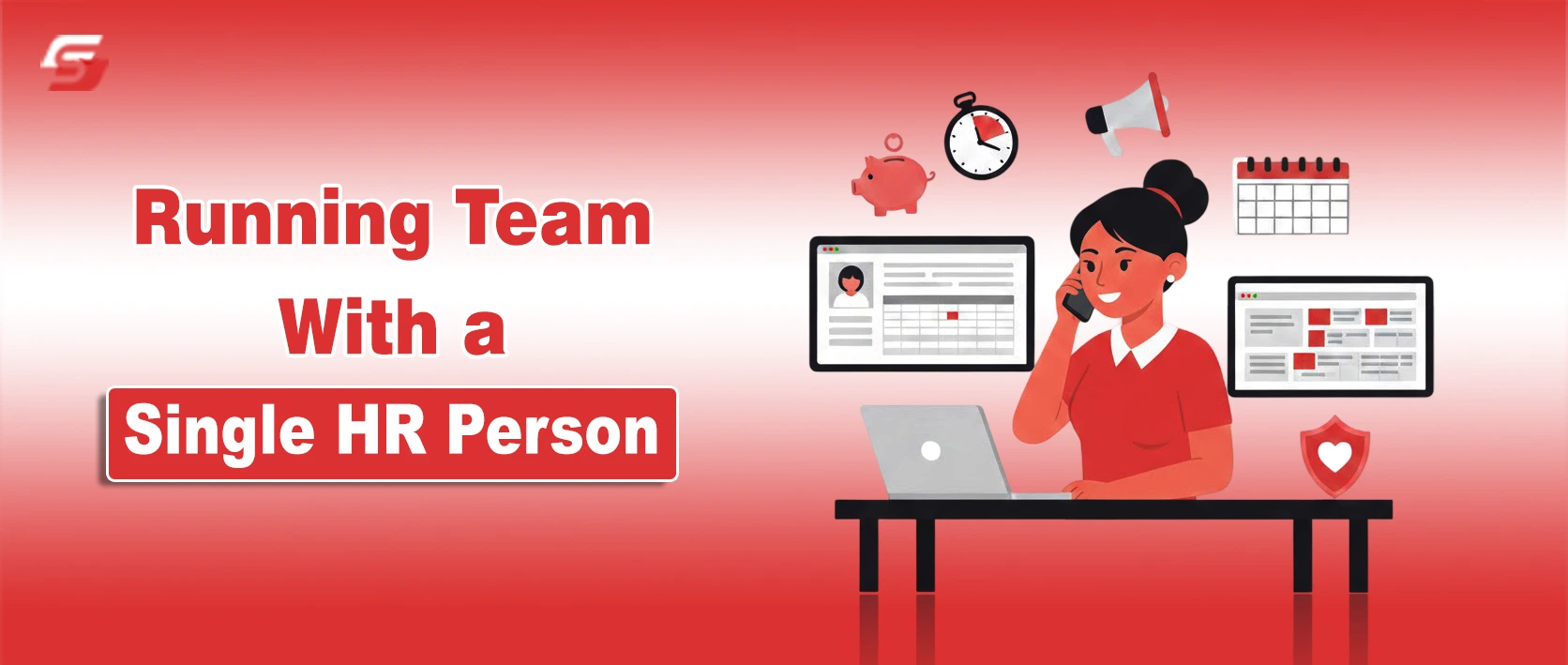
Running a tight ship might sound scary at first. But in reality, it’s possible without needing to make too many changes to a traditional business structure. The key to making it possible is software–and it’s even possible for just a single person to handle if they’re qualified.
Let’s explore the realities, opportunities, and smart strategies of running an HR department of one—and how a single skilled HR professional, equipped with the right tools, can successfully handle an entire team’s needs.
The old way was built for bigger, slower systems
Traditional business structures were built in a different era. Paper files. Manual forms. Physical signatures. Entire departments existed just to move documents from one desk to another. That’s how old those systems are. You hired more people because you had to. Someone to process leave requests. Someone to calculate wages. Someone to answer routine questions that came up every week.
But we don’t need all of that anymore.
These days, a single HR lead equipped with modern human resources technology can handle tasks that once required a small team. Automated onboarding workflows. Digital contracts. Self-service portals for staff. What used to take three people and a filing cabinet now fits inside one dashboard.
Payroll doesn’t have to eat your time
Payroll used to be a confusing and chaotic mess. Spreadsheets open everywhere. Numbers double-checked. Emails flying around at the last minute because someone forgot to log overtime.
With the right tools, that doesn’t have to be the case. Even something as simple as a structured payslip template removes guesswork and keeps things consistent. Instead of manually formatting documents each month, your HR person reviews and approves. That time saved matters. It frees them to focus on actual people issues instead of drowning in paperwork.
Efficiency is all about optimising your time. If you have so many predictable tasks each week, then why not give yourself the tools to deal with them quickly and accurately?
Small teams can move faster
We’re seeing more agile teams that don’t rely on heavy corporate layers. Fewer approvals. Fewer hand-offs. More direct communication. It’s the modern way of doing business, especially for smaller teams.
In that environment, one HR professional isn’t buried under endless bureaucracy. They’re advising managers, refining policies, handling compliance, and improving culture instead of chasing forms. In many ways, they have more responsibilities and control than a typical HR employee in a large company.
Of course, this works best when leaders take ownership too. Managers handle basic team conversations. Employees use self-service tools. Responsibility spreads slightly instead of piling on one person.
And that’s the trade-off. If everyone expects HR to fix every small issue, one person won’t cope. If the business runs lean and accountable, it can work surprisingly well.
Strategies for Success
For organizations relying on a single HR professional, success depends on smart strategies:
- Leverage HR Technology – use platforms for payroll, compliance tracking, and employee engagement.
- Outsource Specialized Tasks – partner with consultants for legal compliance, training, or recruitment drives.
- Set Boundaries & Priorities – focus on critical compliance and employee needs first.
- Encourage Manager Involvement – empower team leaders to handle day‑to‑day engagement and performance feedback.
- Invest in Continuous Learning – ensure the HR professional stays updated on laws, trends, and best practices.
Final Words
So, can a single HR person handle an entire team’s needs? Yes—under the right conditions, with strong technology, clear priorities, and leadership support. But the role is demanding, and as organizations grow, relying on just one HR professional becomes unsustainable.
Ultimately, HR is about people, and people need attention, fairness, and care. A solo HR person can work for small teams, but scaling requires more hands, more expertise, and a broader support system.