





✦ Key Takeaways
- Technology is redefining independence by combining autonomy with intelligent support systems.
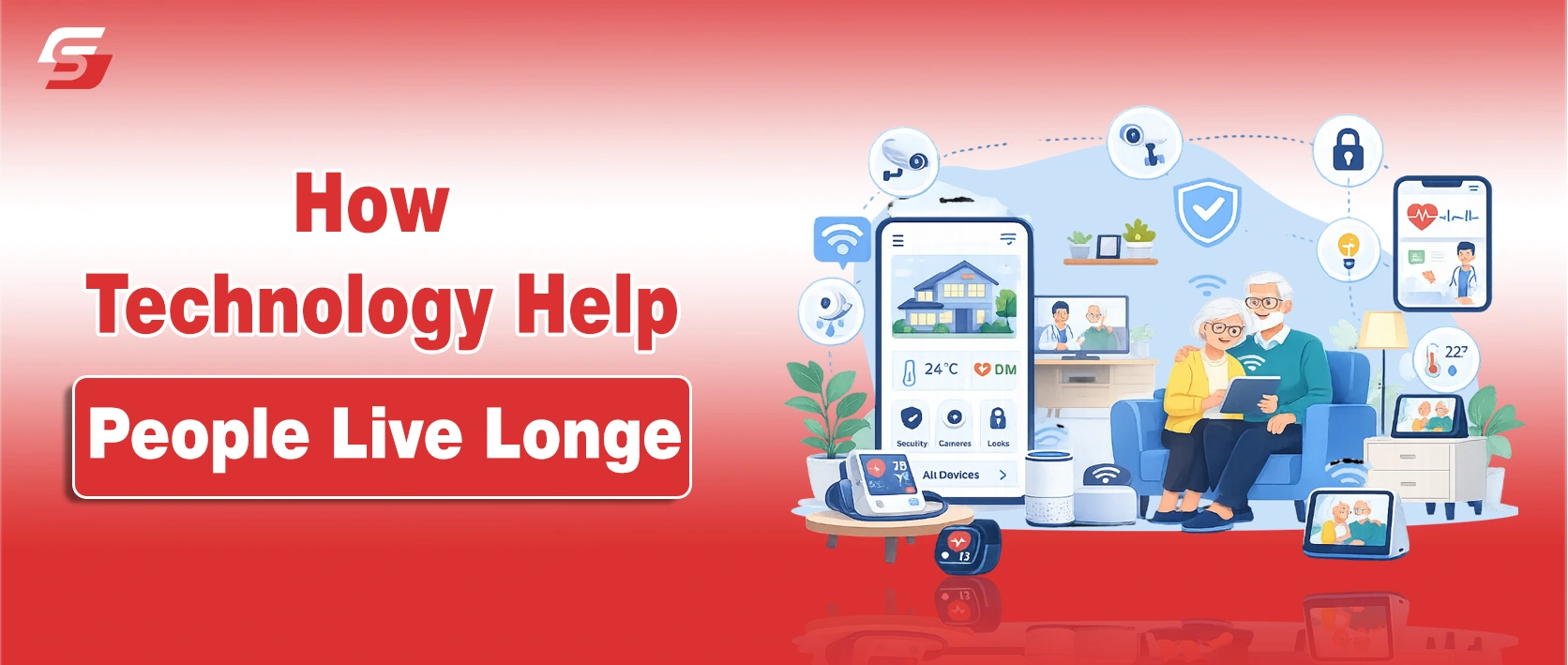
- Smart home systems enhance safety via automation, motion detection, and real-time alerts.
- Wearables provide continuous health monitoring and early detection of potential issues.
- Telehealth removes barriers to healthcare by enabling remote consultations and follow-ups.
- Integrated care networks connect users with caregivers and services.
Living independently is something most of us value deeply, whether it’s staying in our own home, managing daily routines, or simply having the freedom to live life on our own terms. But as time goes on, maintaining that independence can become more challenging.
The good news? Technology is stepping in to bridge that gap.
Technology-assisted interventions now play a central role in making life easier and more independent.
From smart home systems that respond to your daily habits to wearable devices that quietly track your health, modern innovations are making it easier than ever to stay safe, healthy, and self-reliant, without giving up comfort or control.
In this blog post, you will learn how technology helps people live longer and more independently.
The Shift Toward Tech-Enabled Independence
Traditionally, maintaining independence meant reducing assistance. Today, it means using the right kind of support at the right time. Technology enables a proactive approach, where systems anticipate needs, detect risks early, and provide solutions before problems escalate.
This shift is driven by three key factors:
- An aging global population that prefers to remain at home rather than move into assisted living facilities
- Advancements in Artificial Intelligence and IoT, allowing devices to learn user behavior and adapt accordingly
- Increased accessibility of digital health tools, making it easier for individuals to manage their well-being independently
The result is a new model of independence, one that blends autonomy with intelligent support.
How Technology Is Helping People Live Independently?
Smart Home Systems: Creating Safer Living Environments
Smart home technology is one of the most impactful developments in independent living. These systems combine sensors, automation, and connected devices to create an environment that actively supports the user.
Research indicates that IoT-enabled homes improve safety and daily routine management. For example, motion sensors can detect unusual inactivity, such as when someone hasn’t moved for an extended period, and trigger alerts to caregivers or family members. This is particularly valuable in preventing unnoticed falls or medical emergencies.
Key Features of Smart Home Systems
- Automated lighting that turns on when movement is detected
- Voice-controlled assistants for hands-free operation of devices
- Smart thermostats that adjust temperature based on user preferences
- Security systems with real-time alerts and remote monitoring
- Fall detection sensors integrated into floors or wearable devices
Instead of requiring constant manual input, smart homes quietly adjust to support independence in a natural way.
Wearable Devices: Real-Time Health Monitoring
Wearable technology has become a cornerstone of independent living, especially for individuals who need to keep a close eye on their health. Devices such as smartwatches and fitness trackers go far beyond counting steps; they provide continuous, real-time insights into key health metrics.
These include:
- Heart rate and heart rhythm
- Sleep quality and patterns
- Blood oxygen levels
- Physical activity and mobility
- Stress levels and recovery
Why Wearables Matter
The biggest advantage of wearable devices is early detection. Instead of waiting for symptoms to worsen, users can identify potential health issues before they become serious. For example, irregular heart rhythms or sudden drops in activity levels can signal underlying problems that need attention.
This creates a continuous feedback loop:
- Data is collected in real time
- Insights are generated instantly
- Users (or caregivers) can act quickly
For older adults, this means fewer emergency situations and more control over their health. For caregivers and healthcare providers, it means better visibility without constant physical monitoring.
Wearables empower individuals to stay informed and proactive, two essential components of long-term independence.
Telehealth: Healthcare Without Boundaries
Telehealth has rapidly become a critical tool for maintaining independence, particularly for those managing chronic illnesses or mobility challenges. It allows individuals to consult with healthcare professionals from the comfort of their homes, eliminating the need for frequent travel.
This is especially valuable in areas where access to healthcare facilities may be limited or inconvenient.
Benefits of Telehealth
- Remote consultations via video or phone
- Regular follow-ups without clinic visits
- Digital prescriptions and treatment plans
- Chronic disease monitoring through connected devices
- Reduced healthcare costs and time savings
By removing logistical barriers, telehealth supports the idea that independence doesn’t mean isolation; it means having access to care on your own terms.
Integrated Care Networks: Connecting Support Systems
While technology enhances independence, human support remains essential. The difference today is how that support is delivered.
Services like home care agencies are now integrated into broader care networks, allowing them to deliver more personalized and data-informed support in a coordinated and efficient way.
These networks create a flexible support system that is available when needed, without being intrusive.
How Integrated Care Works
- Shared dashboards allow caregivers to monitor health data remotely
- Automated alerts notify family members of unusual activity
- Care coordination tools streamline communication between providers
- On-demand services (such as home care or meal delivery) can be scheduled easily
It also enables more personalized care. By using real-time data, caregivers can tailor their support to match the individual’s needs, preferences, and routines.
Mobility and Assistive Technologies
Beyond digital systems, physical assistive technologies are also playing a crucial role in extending independence. These tools help individuals navigate their environment more easily and perform daily tasks with less effort.
Examples include:
- Smart wheelchairs with navigation assistance
- Robotic vacuum cleaners that reduce household chores
- Voice-activated appliances for cooking and cleaning
- Stairlifts and automated door systems for improved accessibility
These innovations reduce the physical barriers that often limit independence. By making everyday tasks easier, they allow individuals to maintain control over their environment and lifestyle.
The Future of Independent Living
Looking ahead, the integration of technology into daily life will only deepen. We can expect to see:
- More advanced AI-driven health insights
- Greater interoperability between devices and platforms
- Improved accessibility features for diverse user needs
- Increased personalization based on individual behavior
As these technologies evolve, independence will become less about limitations and more about possibilities.
Final Thoughts
Technology is fundamentally reshaping what it means to live independently. Smart homes, wearable devices, telehealth platforms, and integrated care networks are working together to create environments that are not only safer but also more responsive and empowering.
Instead of being constrained by physical or logistical challenges, individuals can now rely on systems that adapt to their needs, anticipate potential issues, and provide support when it matters most.