



Key Takeaways
- Define the purpose of your LED video wall before choosing specifications
- Match pixel pitch with viewing distance for optimal clarity
- Select screen size based on space and audience positioning
- Adjust brightness according to lighting conditions
- Ensure proper installation and system compatibility
- Plan for maintenance, energy efficiency, and future scalability
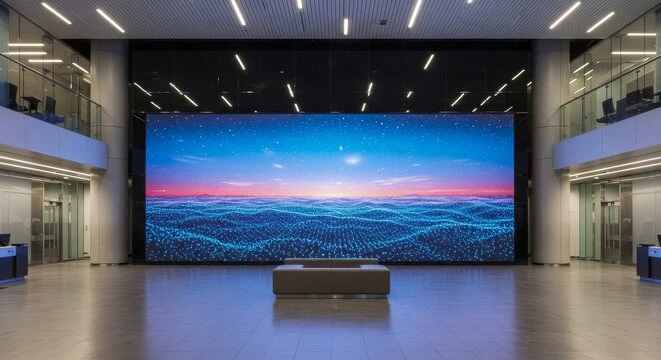
Investing in an LED video wall can transform how a business communicates, advertises, and presents content. From retail stores to corporate offices and entertainment venues across the US, large-format displays are becoming a central part of modern visual experiences.
But choosing the right system isn’t as simple as picking the biggest or most expensive screen.
In practice, the success of a video wall depends on how well it fits your environment, purpose, and long-term goals. Factors like pixel pitch, viewing distance, brightness, and installation setup all play a role in determining whether your investment delivers real value.
In this blog post, I will guide you to choose the right LED video wall for your business to ensure your display performs exactly as expected.
How to Choose the Right LED Video Wall (Step-by-Step)
Now that you know why LED video walls matter, let’s walk through the key decisions that will help you choose the right one without overcomplicating things.
Define the Purpose of the Display
Before diving into technical specifications, start with a simple question: What will this display be used for?
If the goal is advertising or promotions, especially in retail environments, the focus should be on brightness, vibrant colors, and high visual impact. These displays need to grab attention quickly, often using motion graphics and bold messaging.
In contrast, corporate environments typically require displays for presentations, dashboards, or video conferencing. Here, clarity becomes more important than brightness. Fine details like text, charts, and data must remain sharp and easy to read.
Defining the primary use case early helps narrow down the right specifications and prevents overpaying for features you may not need.
Understand Pixel Pitch and Resolution
One of the most important technical factors in an LED video wall is pixel pitch—the distance between individual pixels, measured in millimeters.
In simpler terms, pixel pitch determines how sharp your screen looks at different distances.
A smaller pixel pitch creates higher pixel density, which means clearer and more detailed images when viewed up close. This is ideal for indoor spaces like meeting rooms, retail stores, or lobbies where viewers are only a few feet away.
On the other hand, a larger pixel pitch works well for large venues where audiences are positioned farther from the screen. In these cases, ultra-fine detail isn’t necessary, and a higher pixel pitch can reduce costs without affecting visibility.
Choosing the right balance here ensures you get the clarity you need without overspending.
Determine the Ideal Screen Size
Screen size should always be considered in relation to the space it occupies.
Start by evaluating the installation area. Look at wall dimensions, ceiling height, and surrounding elements such as furniture or architectural features. The display should feel integrated into the space, not overwhelming or underwhelming.
Viewing distance also plays a key role. A larger screen works well for audiences positioned farther away, while smaller, high-resolution displays are better suited for close viewing.
The goal is to create a comfortable and engaging viewing experience from every angle.
Evaluate Brightness and Lighting Conditions
Lighting conditions can significantly impact how well your video wall performs.
In brightly lit environments such as retail spaces with large windows or open office areas, higher brightness levels are essential to maintain visibility. LED displays are naturally well-suited for these conditions, but matching brightness to your environment is still critical.
In darker settings like conference rooms or theaters, excessive brightness can actually reduce viewing comfort. In such cases, moderate brightness levels work better.
Some modern systems include automatic brightness adjustment, which adapts to ambient light. This not only improves the viewing experience but can also help reduce energy consumption over time.
Consider Installation and Mounting Options
How your LED video wall is installed affects both its appearance and long-term reliability.
Wall-mounted systems offer a sleek, seamless look that works well in corporate offices and retail environments. However, it’s important to ensure the wall structure can support the weight of the panels and mounting system.
In situations where wall installation isn’t feasible, freestanding structures provide flexibility. These are commonly used in event spaces, exhibitions, or temporary setups where mobility is important.
A professional assessment before installation is always recommended to ensure safety and compliance with local regulations.
Assess Control Systems and Content Management
Behind every video wall is a control system that manages content and display performance.
Compatibility is key. The system should integrate smoothly with your existing devices, whether that includes laptops, media players, or centralized content platforms.
Ease of use is equally important. A user-friendly interface makes it easier to update content, schedule displays, and manage multiple screens if needed.
For businesses operating across multiple locations, centralized control systems can streamline operations and improve efficiency.
Plan for Maintenance and Longevity
An LED video wall is a long-term investment, so maintenance and durability should not be overlooked.
Most modern systems use a modular design, allowing individual panels to be repaired or replaced without affecting the entire display. This reduces downtime and lowers maintenance costs over time.
Energy efficiency is another important factor. Newer LED technologies are designed to deliver high brightness while consuming less power, helping businesses manage ongoing operating expenses.
Choosing a reliable system with accessible servicing options ensures better performance in the long run.
Think About Future Scalability
As businesses grow, their display needs often evolve.
A scalable LED video wall allows you to expand your setup by adding more panels or upgrading processing components. This flexibility ensures your investment remains relevant as your communication strategies change.
Planning for scalability from the beginning can save significant costs later and prevent the need for a complete system replacement.
Final Thoughts
Choosing the right LED video wall isn’t just about technology, it’s about alignment with your brand & needs.
When the display matches your purpose, environment, and future needs, it becomes more than just a screen. It turns into a powerful communication tool that enhances engagement, improves visibility, and supports business growth.
By focusing on key factors like purpose, pixel pitch, size, brightness, installation, and scalability, businesses can make confident decisions and maximize the value of their investment.