




Key Takeaways
- Vertical farming allows cities to grow food locally using stacked indoor systems.
- It uses up to 90% less water than traditional agriculture.
- Repurposing abandoned buildings boosts local economies and reduces urban decay.
- Integration into homes and retail spaces eliminates food transportation and packaging.
- Advanced tech and automation make farming more efficient and scalable.
- Energy concerns are decreasing due to renewable integration and improved efficiency.
Walk through any major downtown—whether it’s Manhattan, Tokyo, or London—and you’ll see a skyline dominated by steel, glass, and concrete. It’s a powerful symbol of human innovation. But here’s the irony: despite all that progress, these urban hubs are heavily dependent on rural farmland located hundreds or even thousands of miles away.
Most of the food we eat in cities travel long distances before reaching our plates. That means higher costs, reduced freshness, and a fragile supply chain vulnerable to disruption.
Instead of transporting produce across vast distances, cities can produce food locally through vertical farming—an approach that is gaining traction globally.
In this blog post, you will read why experts like Victoria Gerrard La Crosse believe it’s time to rethink this outdated system and move towards vertical farming.
The Rise of Vertical Farming in Urban Landscapes
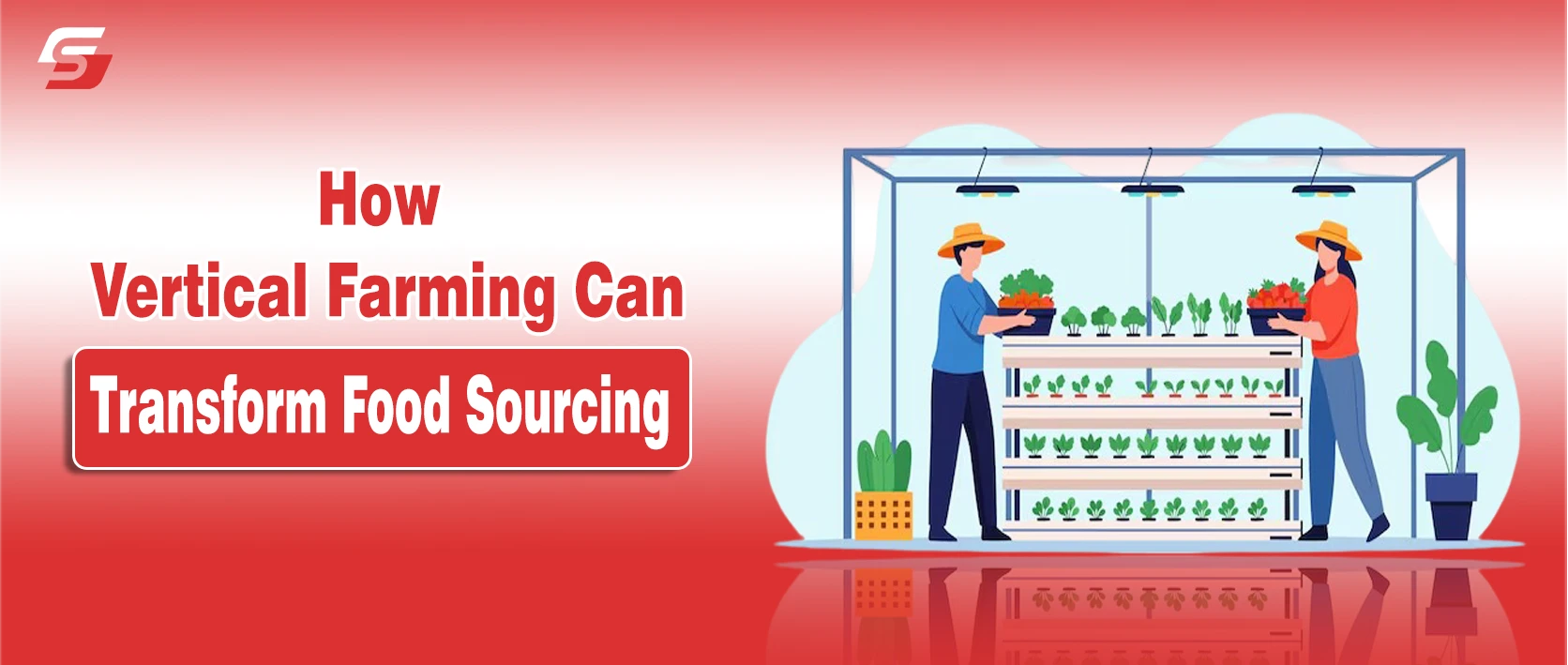
Vertical farming is revolutionizing how food is grown. Instead of spreading crops across acres of land, this method stacks plants in layers within controlled indoor environments.
In cities where horizontal space is expensive and scarce, vertical farming unlocks the unused potential of upward space. Skyscrapers, warehouses, and even apartment buildings can become year-round food production hubs.
Using advanced techniques like hydroponics (nutrient-rich water) and aeroponics (nutrient mist), plants grow faster and more efficiently—without soil. These systems can use up to 90% less water than traditional farming, making them ideal for a future where water scarcity is a growing concern.
Even better? Weather becomes irrelevant. No droughts, floods, or unexpected frosts, just consistent, predictable harvests 365 days a year.
Turning Abandoned Spaces into Urban Farms
Cities are full of forgotten infrastructure, empty warehouses, unused factories, and aging industrial sites. Instead of demolishing these spaces, forward-thinking developers are transforming them into thriving vertical farms.
This approach does more than produce food—it revitalizes communities.
- Creates green jobs in urban areas
- Reduces neighborhood blight
- Improves access to fresh produce in underserved communities
In areas often labelled as “food deserts,” vertical farms can provide a steady supply of fresh greens, herbs, and vegetables—changing both diets and local economies.
Bringing Farming into Residential Living
One of the most exciting trends is integrating vertical farming directly into residential buildings.
Imagine living in an apartment where one side of the building is a glass-enclosed greenhouse. Residents could subscribe to weekly produce boxes grown just floors away from their homes.
This model eliminates “food miles” entirely:
- No transportation
- No excessive packaging
- No cold storage delays
Some architects are even designing closed-loop systems, where greywater from apartments is recycled to nourish crops. This creates a sustainable ecosystem within the building itself, lowering costs while reducing environmental impact.
Hyper-Local Food for Retail and Restaurants
The “farm-to-table” movement is evolving. With vertical farming, it’s becoming “farm-in-the-building.”
Restaurants can grow herbs and greens onsite—on rooftops, walls, or basements—ensuring maximum freshness and flavor. Grocery stores are also adopting this concept by installing mini vertical farms right in the produce section.
Customers can literally watch their food grow before purchasing it.
This shift offers major benefits:
- Peak freshness and nutrition
- Reduced food waste
- Elimination of plastic packaging
Food becomes not just a product—but an experience.
Technology Driving the Future of Farming
While vertical farming feels natural, it’s powered by cutting-edge technology. Advanced sensors monitor:
- Temperature
- Humidity
- CO₂ levels
- Nutrient balance
Because the environment is sealed and controlled, pesticides and herbicides are rarely needed. That means cleaner, healthier food. Automation also plays a key role:
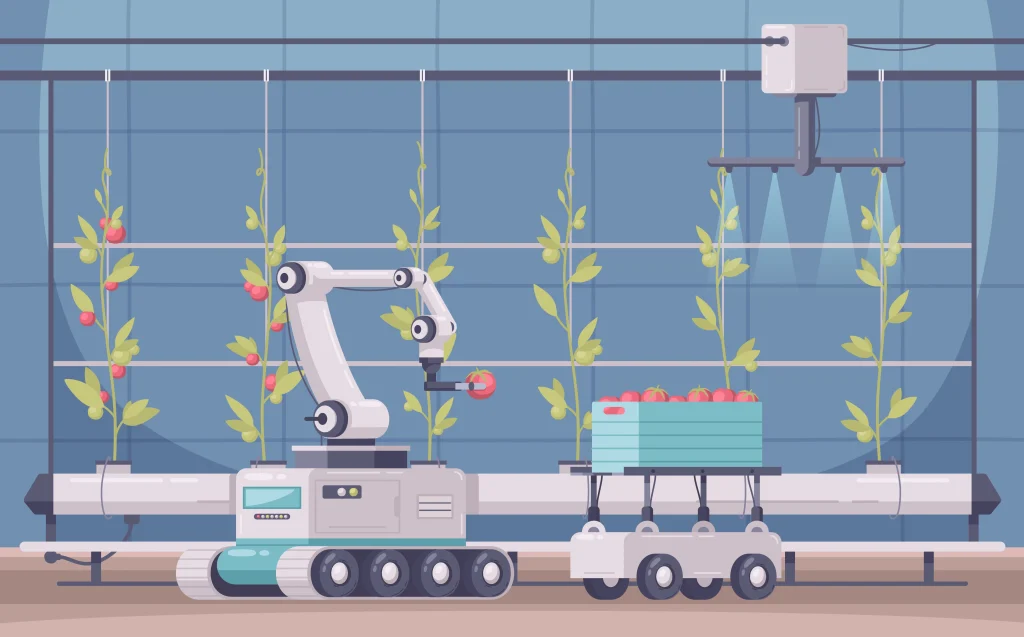
- Robots handle planting and harvesting
- AI optimizes growth cycles
- Data analytics improves yield efficiency
This transforms farming into a modern, tech-driven profession—attracting a new generation of skilled workers.
Community Impact and Education
Vertical farms are not just about production—they’re also powerful educational tools.
Schools and community centers are beginning to incorporate small-scale vertical farms into their programs. For urban children who may never visit a traditional farm, this is a hands-on way to understand how food is grown.
These spaces:
- Promote sustainability awareness
- Encourage healthier eating habits
- Build stronger community connections
They become green hubs in the middle of busy cities—bringing people closer to nature.
Solving the Energy Challenge
One of the biggest criticisms of vertical farming is energy consumption—especially the cost of running LED lighting systems for long hours.
However, the landscape is rapidly changing.
- LED technology is becoming more efficient and affordable
- Solar energy integration is increasing
- Green building regulations are encouraging renewable energy use
When combined with savings in transportation, reduced spoilage, and lower water usage, vertical farming is becoming increasingly cost-effective.
In many cases, growing food locally is starting to make more financial sense than shipping it across the country.
Final Thoughts: Building Self-Sustaining Cities
As urban populations continue to grow, cities must evolve to become more self-reliant.
Vertical farming offers a practical and scalable solution to modern food challenges. It shortens supply chains, improves food quality, and reduces environmental impact—all while making cities greener and more resilient.
As Victoria Gerrard La Crosse emphasizes, the future of food isn’t just rooted in rural soil—it’s rising within the skylines of our cities. The concrete jungle is finally learning how to grow.