




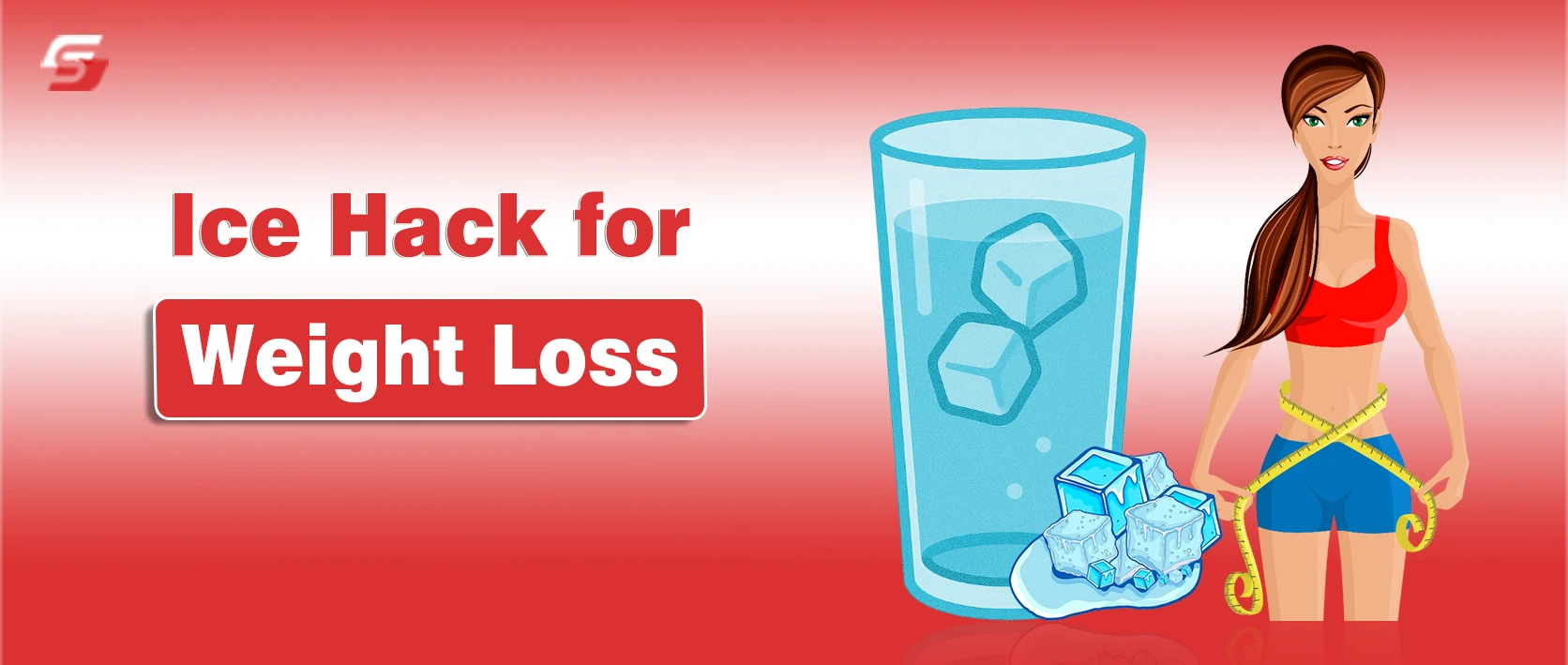
Have you ever considered that something as simple as ice-cold water could play a role in your weight-loss journey? As a doctor, I often encounter patients curious about quick tricks that promise fat loss, and the ice water hack is one of the most talked-about methods.
The idea is simple: cold water may slightly increase calorie burn and influence appetite, but does it really work, or is it just another viral health myth?
In this article, I will explain how the ice water method interacts with the body’s thermogenesis, metabolism, and digestion, how it compares to other popular weight-loss drinks, and how to use it safely and effectively to support realistic, sustainable results.
What Is the Ice Water Hack for Weight Loss?
The ice water hack describes a routine where a person drinks chilled or ice-cold water to support weight management by engaging the body’s natural temperature-regulation process. The method focuses on hydration, thermogenesis, and metabolism support, all of which influence daily energy use.
This approach gained attention because cold water increases the body’s effort to restore core temperature, and that effort contributes to mild calorie use. The routine is simple, low-risk for healthy adults, and often paired with other habits such as meal timing, increased steps, and better hydration patterns.
How does drinking ice-cold water burn calories?
Ice-cold water increases the body’s workload because the body must warm the fluid to core temperature. This warming process triggers cold-induced thermogenesis, a natural heat-producing response that uses stored energy. The body also activates brown fat, the tissue responsible for heat generation, during exposure to cold stimuli.
Cold water supports weight loss through three main actions:
- Temperature regulation: The body uses energy to raise the temperature of cold water to normal internal levels.
- Brown fat activation: Cold exposure encourages heat production and uses stored fuel.
- Hydration efficiency: Cold water improves fluid intake for many people, and better hydration supports metabolism, digestion, and appetite control.
These actions create a mild but measurable increase in calorie use. The increase is not dramatic, but it contributes to overall daily energy expenditure when combined with a balanced diet and physical activity.
Is the ice water hack scientifically proven?
Cold water consumption has measurable metabolic effects, although the overall impact is modest. Several studies on cold-induced thermogenesis, brown adipose tissue activation, and hydration-related metabolism confirm that the body uses energy to warm cold fluids and maintain temperature balance. Research also shows that hydration supports efficient digestion, appetite regulation, circulation, and calorie processing.
However, science also shows that:
- Cold water contributes to a small increase in calorie use.
- The method cannot replace a consistent calorie deficit, balanced nutrition, or activity habits.
- Long-term weight control requires combined lifestyle strategies.
The ice water method is therefore supported by physiological evidence, but its effects are best understood as supportive, not standalone.
Can ice water alone help reduce belly fat? (Myth vs Fact)
Ice water does not directly target belly fat, and it cannot melt fat in a specific area. Spot reduction is a well-documented myth. The body removes stored fat according to overall energy balance, hormonal responses, and daily activity, not according to where cold water moves inside the stomach.
What ice water can do:
- Support hydration, which reduces bloating and improves digestion
- Provide a mild increase in calorie use through thermogenic activity
- Support appetite control by giving a sense of fullness
- Improve metabolic processing when used consistently
What ice water cannot do:
- Melt belly fat directly
- Freeze fat deposits the way medical procedures like cryolipolysis do
- Replace proper nutrition or movement habits
The fact is that belly fat reduction requires overall fat loss, and cold water is only one helpful element, not the primary driver.
Best Ways to Use the Ice Water Hack
The ice water hack works best when the routine follows the body’s natural hydration rhythm and metabolic needs. The method uses cold water to support thermogenesis, appetite control, and daily energy use.
The approach becomes more effective when paired with regular hydration patterns, structured drinking times, and safe intake levels. Understanding when to drink ice-cold water, how much to use, and how to build a 30-day routine helps the body maintain stable digestion, energy balance, and weight-management outcomes.
When is the best time to drink ice water, morning or night?
Morning ice water supports hydration after sleep and activates thermogenic activity at the start of the day. The body responds to cold water by warming the fluid, which increases energy use. Morning hydration also supports digestion, circulation, cognitive function, and appetite regulation.
Nighttime ice water is less helpful for most people because cold fluids close to bedtime may increase bathroom visits and disrupt sleep quality. Stable sleep supports metabolism, hormonal balance, and weight control.
Best timing hierarchy:
- Morning: Supports metabolism, hydration, and daily energy use.
- Midday: Helps regulate appetite and maintain hydration
- Evening: Should be moderate, especially for people with reflux or sleep sensitivity.
Should you drink ice water before meals to control appetite?
Ice water before meals helps control appetite because the cold temperature and fluid volume increase stomach fullness. This fullness can reduce meal size and slow the urge to snack. Cold water also supports digestion because hydration assists nutrient movement through the stomach and intestines.
People often find that pre-meal drinking supports calorie control by:
- Increasing satiety before eating
- Slowing the speed of eating
- Supporting portion awareness
- Reducing emotional or habitual snacking
This timing can contribute to a more consistent calorie deficit when used with balanced meals.
Is ice water on an empty stomach effective?
Ice water on an empty stomach activates cold-induced thermogenesis immediately because the body warms the fluid without interference from food. Cold water also triggers mild alertness and supports digestion preparation. This effect is helpful in the morning or before daily activities when people need hydration and metabolic support.
For sensitive individuals, extremely cold water on an empty stomach may cause temporary discomfort. Using moderately chilled water provides the same thermogenic effect with better tolerance.
How much ice water should you drink daily for weight loss?
Daily ice water intake should match general hydration needs while avoiding overconsumption. Most adults maintain healthy hydration with 2–3 liters of total water per day, but cold water does not need to make up the entire amount. A balanced approach prevents digestive discomfort and supports consistent use.
A safe structure includes:
- 250–300 ml of cold water in the morning
- 250–300 ml before major meals
- Moderate amounts during exercise or outdoor activity
- Room-temperature water in the evening to protect sleep and digestion
Cold water supports weight loss only when used within safe hydration limits and paired with healthy eating patterns.
How to follow a 30-day ice water challenge safely
A 30-day ice water challenge helps people build hydration habits and maintain consistent thermogenic activity, but the challenge must follow safe limits. The goal is to support metabolism, appetite control, and energy balance without causing digestive stress.
A safe 30-day structure includes:
- Week 1: Use moderately cold water twice daily to allow the stomach to adjust.
- Week 2: Add pre-meal cold water before lunch or dinner for appetite support.
- Week 3: Increase cold-water use after activity to support hydration and metabolic recovery.
- Week 4: Maintain a balanced routine with morning cold water, pre-meal hydration, and normal water intake at night
Safety reminders:
- Avoid using ice water if you experience reflux, stomach discomfort, or throat irritation.
- Combine cold water with balanced meals, regular steps, and stable sleep.
- Avoid excessive volumes that can disrupt digestion or electrolyte balance.
To see how hydration and lifestyle changes play out in real weight-loss results, take a look at Top Celebrity Weight Loss Transformations.
Health Effects and Safety Considerations
A person’s hydration routine often influences throat comfort, digestive performance, and overall metabolic response. Cold water intake interacts differently with the esophagus, stomach lining, tooth enamel, and kidney function depending on individual health conditions.
This section explains how chilled drinks affect the body, how cold exposure influences digestive sensitivity, and how ice water behaves for people with pre-existing concerns such as reflux, tooth sensitivity, or kidney issues.
Can Drinking Ice Water Cause Throat or Digestive Issues?
Ice water often triggers a temporary reaction in the throat muscles and esophageal tissues because cold temperature causes the muscles to tighten. Cold drinks may also produce mild digestive discomfort in people with sensitive stomachs, gastritis, or slower gastric motility.
Ice water effects on throat and digestion:
- Cold temperature makes the throat muscles constrict, which can increase soreness for people with ongoing throat inflammation.
- Chilled fluids slow the stomach’s food-warming process, which may intensify bloating for people with digestive sensitivity.
- Normal, healthy digestion tolerates cold beverages well, and most individuals experience no long-term digestive problems.
A person with chronic throat irritation, cough, or upper GI sensitivity may feel temporary discomfort, but ice water does not cause structural harm.
Does Cold Water Worsen Acid Reflux or Tooth Sensitivity?
Cold water interacts differently with acid reflux and dental enamel sensitivity.
Cold water and reflux:
- Cold temperature does not increase stomach acid, but it may trigger mild tightening of the esophageal muscles, which can briefly amplify heartburn for people with GERD or frequent reflux episodes
- Warm or room-temperature water is usually more comfortable for individuals with chronic reflux symptoms
Cold water and tooth sensitivity:
- Cold temperature activates exposed dentin tubules in people with enamel erosion, gum recession, or post-whitening sensitivity.
- People with healthy enamel generally have no pain response to chilled drinks.
Overall, cold water does not damage enamel but may trigger short, sharp sensitivity for people already prone to dental discomfort.
Is Ice Water Safe for People With Kidneys or Health Concerns?
Ice water remains safe for most individuals, including people monitoring kidney wellness, blood pressure, or hydration balance.
The temperature of water does not affect kidney filtration, electrolyte balance, or urine production.
People who may need caution:
- Individuals recovering from kidney infections may find cold drinks uncomfortable, though not harmful.
- People with chronic migraines may notice that icy drinks trigger headaches due to rapid blood-vessel constriction.
- Patients with cold-induced asthma may experience airway tightness after consuming very cold beverages.
For general health, water temperature does not influence kidney function, and ice water remains a safe hydration option.
Cold water and metabolism:
| Factor | Effect of Ice Water | Practical Impact |
| Body temperature response | Body warms the cold liquid | Very small calorie use |
| Metabolic rate | No measurable increase | No effect on weight loss |
| Digestion speed | Slight delay only in sensitive individuals | Minimal impact |
Ice water does not meaningfully alter metabolic rate or digestion speed for healthy individuals.
Comparing Ice Water Hack With Other Popular Weight Loss Drinks
Different hydration habits influence calorie burn, digestion, and metabolic comfort in unique ways. Each drink uses a different mechanism: cold water supports mild thermogenesis, warm water aids smooth digestion, lemon water assists hydration and freshness, apple cider vinegar affects appetite for some users, and green tea offers antioxidant compounds.
Ice Water vs Warm Water: Which Burns More Calories?
Ice water creates a small thermogenic response because the body warms the liquid to core temperature. This process uses minimal energy and produces a very small calorie burn. Warm water does not require this warming process and does not trigger calorie expenditure.
Calorie burn comparison:
- Ice water uses slightly more energy due to temperature adjustment, but the burn is too small to affect weight loss.
- Warm water supports digestive comfort and may help bloating in people with slow gastric motility, but it does not change calorie usage.
- Both options hydrate the body equally, and neither creates a meaningful calorie deficit on its own.
Ice water technically burns more calories, but the difference is so small that it does not influence long-term weight outcomes.
Is Lemon Water More Effective Than Cold Water?
Lemon water provides citrus compounds, mild vitamin C, and a flavor that may encourage higher daily water intake. Lemon juice does not increase metabolic rate, but it may support digestion for people using the drink before meals. Cold water only changes temperature, not nutritional value, so its effect is limited to hydration and mild thermogenesis.
Lemon water benefits compared to cold water:
Lemon water becomes more “effective” only when the flavor encourages consistent drinking; otherwise, both drinks hydrate the body equally.
Ice Water vs Apple Cider Vinegar: Which Boosts Metabolism Better?
Apple cider vinegar (ACV) contains acetic acid, which may help some individuals manage appetite or reduce post-meal blood sugar spikes. ACV does not raise metabolic rate but may indirectly influence calorie intake by reducing hunger for short periods.Ice water does not affect hunger hormones and does not raise metabolism beyond the small thermogenic effect created by temperature change.
Metabolism comparison:
- ACV may support appetite control, but its effect varies and works only when taken in small diluted doses.
- Ice water produces temperature-related thermogenesis, but its metabolic effect remains negligible.
- ACV should always be diluted to protect tooth enamel and stomach lining.
Neither drink significantly boosts metabolism, but ACV may help appetite management more than ice water.
How Does Cold Water Compare With Green Tea or Detox Drinks?
Cold water hydrates the body and provides a mild cooling effect but does not contain active compounds that influence fat breakdown. Green tea offers catechins, caffeine, and antioxidant properties that may slightly increase calorie burn and support fat-oxidation when consumed regularly. Detox drinks vary widely and usually include ingredients like mint, cucumber, ginger, or lemon, all of which mainly improve hydration, not fat burning.
Comparison table:
| Drink Type | Main Active Properties | Impact on Metabolism | Best Use Case |
| Cold water | Hydration + cooling | Minimal thermogenesis | Daily hydration |
| Green tea | Catechins + caffeine | Small increase in calorie burn | Regular weight-loss routines |
| Detox drinks | Herbal or fruit infusions | No metabolic boost | Hydration with flavor |
| Ice water | Temperature-based response | Very mild calorie use | Refreshment and appetite control |
Green tea offers the most measurable metabolic support, while cold water and detox drinks focus mainly on hydration and comfort.
Common Myths and Mistakes About the Ice Water Hack
As a doctor writing about weight management, I often encounter misconceptions about the ice water hack. Many people overestimate its effect on metabolism, fat reduction, or calorie burn. What the ice water method can and cannot do helps individuals use it safely, integrate it into daily hydration routines, and avoid relying on myths instead of evidence-based practices.
Do you burn more calories drinking ice water or room-temperature water?
In my experience, ice water causes a slight increase in calorie use because the body expends energy to warm the cold liquid to core temperature. Room-temperature water, on the other hand, does not require this warming process, so it produces no additional energy expenditure.
- The actual calorie difference is very small, usually only a few calories per glass.
- Using ice water as a primary weight-loss strategy is not effective; it only slightly supplements overall daily energy use.
- The main benefit of ice water remains hydration, which supports digestion, metabolism, and appetite control.
I advise patients that the temperature of water should not be considered a major factor in calorie burning, and both cold and room-temperature water fulfill hydration needs effectively.
Can the ice water hack melt belly fat directly?
I want to clarify that ice water cannot target abdominal fat or any specific fat deposit. Fat loss occurs systemically through an overall calorie deficit, hormonal balance, and consistent physical activity. Drinking ice water may slightly increase energy expenditure, but it does not reduce fat in a single area.
What ice water can do:
- Provide a sense of fullness that reduces meal size
- Support digestion and hydration
- Encourage minor thermogenic calorie use
What it cannot do:
- Directly remove belly fat
- Replace exercise or dietary interventions
- Produce visible fat reduction without a holistic approach
I often remind readers that spot reduction is a myth, and cold water should be considered a supportive tool, not a standalone fat-loss solution. Many successful weight-loss journeys show that hydration alone isn’t enough, tracking your fitness routine helps maintain sustainable results
Is the ice water hack overrated or underrated?
From my professional perspective, the ice water hack is moderately beneficial but often overrated in popular media. It provides hydration, a slight thermogenic effect, and minor appetite suppression, but it is not a major driver of weight loss.
Key points I emphasize:
- Ice water supports hydration habits, which are critical for metabolism and energy balance.
- The calorie-burning effect is minimal compared to exercise or diet modifications.
- Overreliance on the hack without nutrition or physical activity will not produce significant results.
In my guidance, I encourage patients to use ice water as part of a structured hydration and weight-management plan rather than expecting dramatic fat reduction from temperature alone.
Final Thoughts For Using the Ice Water Hack Wisely for Weight Management
The ice water hack is a simple, safe, and supportive habit that can enhance hydration, slightly increase calorie use through thermogenesis, and promote appetite control. While drinking cold water alone will not directly melt fat or replace proper nutrition and exercise, it can serve as a helpful addition to a structured weight-loss routine.
I recommend using ice water in combination with balanced meals, regular physical activity, and consistent hydration to maximize results. Understanding its limitations and benefits allows readers to integrate the ice water method effectively, avoid common myths, and maintain realistic expectations for sustainable weight management.
FAQ | Ice Water Hack for Weight Loss
Ice water can help maintain hydration during exercise, but it does not directly boost strength or endurance.
Cold water does not alter electrolytes; proper hydration and balanced intake of minerals remain essential.
Drinking cold water supports kidney function and hydration but does not directly eliminate excess fluid.
Ice water is generally safe in moderation, but overall nutrition and hydration are more important for maternal health.
Children can drink chilled water safely, but it should not be used as a weight-loss method for minors.