




Key Takeaways
- IFS Cloud ERP connects finance, operations, service, and projects in one platform
- Businesses adopt it to improve visibility, efficiency, and scalability
- Clean data is critical for accurate reporting and smooth implementation
- Over-customization often creates unnecessary complexity
- Implementation should include testing, integration, and phased rollout
- ERP costs go beyond licensing and must include full lifecycle planning
- Continuous improvement after go-live drives long-term ROI
Most ERP conversations begin with frustration. Teams are tired of bouncing between disconnected systems, manually updating spreadsheets, and chasing reports that never seem to match. Finance wants cleaner numbers. Operations wants fewer delays. IT wants a platform that can evolve without making every upgrade feel like a major disruption. That is exactly why more businesses are looking closely at cloud ERP.
For many decision-makers, the challenge is not just choosing a system. It is understanding what the platform actually changes inside the business. That is where a practical guide becomes valuable. Instead of focusing only on features, businesses need a clearer view of how IFS Cloud supports day-to-day operations, long-term growth, and smarter decision-making across departments.
In this blog post, you will learn what IFS cloud ERP is and everything you need to know before implementing it.
What Is IFS Cloud ERP?
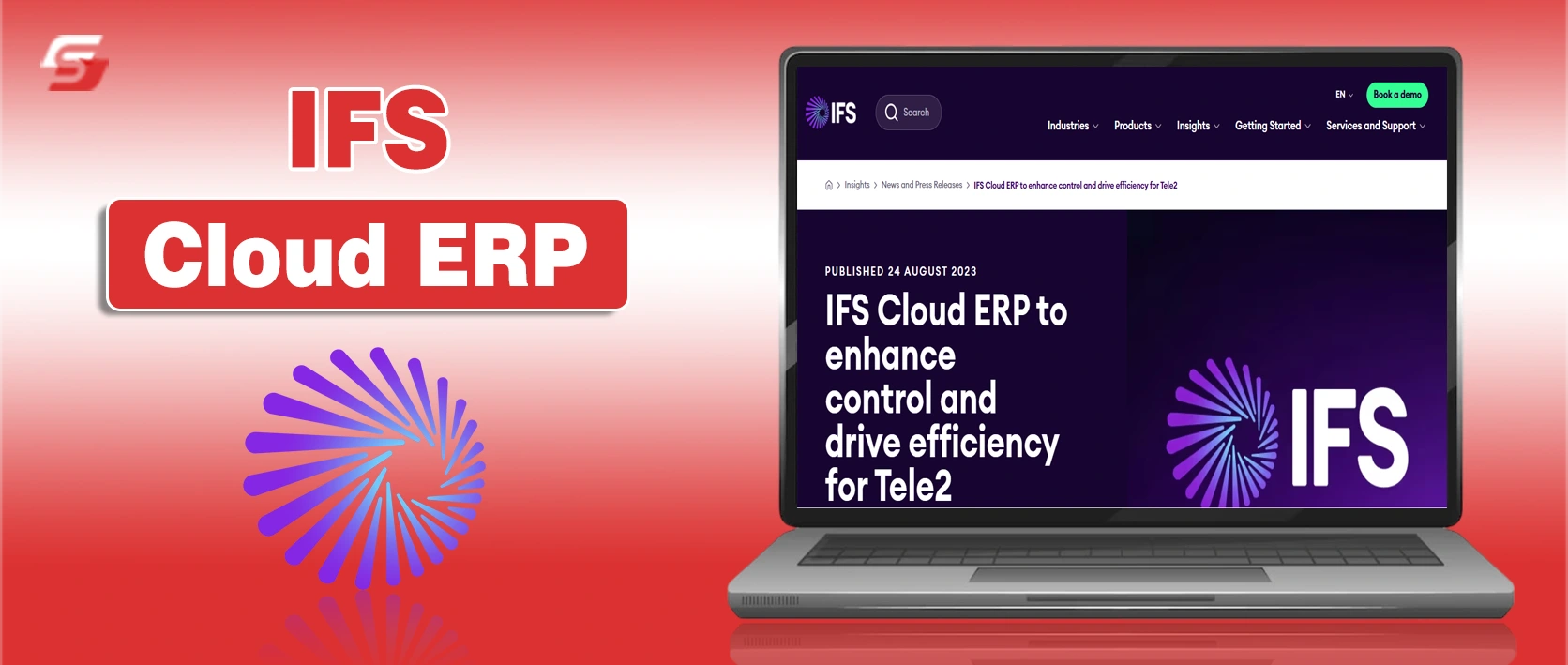
IFS Cloud ERP is a modern, cloud-based enterprise resource planning system developed by IFS that helps businesses manage and connect their core operations like finance, supply chain, asset management, service, and project operations in one unified platform.
It helps businesses:
- Manage financials (accounting, budgeting, reporting)
- Track supply chain and inventory
- Handle projects and resource planning
- Run field service and maintenance operations
- Monitor assets and equipment performance
- Automate workflows and approvals
All of this happens in one integrated environment.
Why IFS Cloud ERP is Attracting Serious Attention
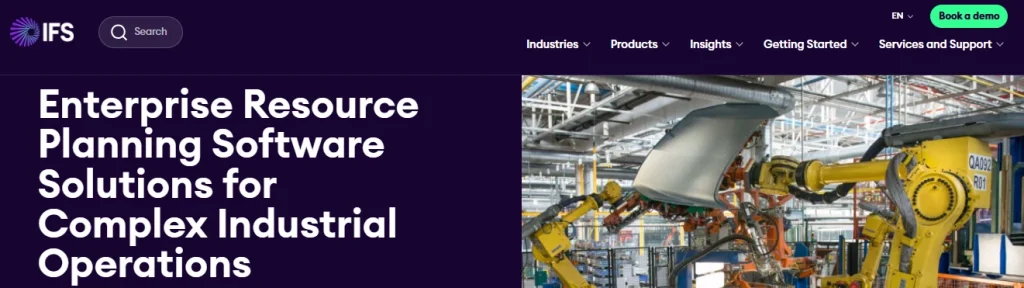
ERP is no longer just a back-office tool. Today, it sits much closer to the center of the business. Companies want one platform that can connect finance, supply chain, service, projects, procurement, and operations without forcing teams to work in silos. They want better visibility, faster reporting, and fewer manual processes.
That growing demand explains why cloud ERP continues to gain momentum. Businesses are under pressure to move faster, adapt more easily, and reduce the cost of outdated systems. IFS Cloud fits that shift because it combines modern architecture with broader operational coverage. For organizations that manage complex workflows, asset-heavy operations, or multi-team processes, that can make a major difference.
In many ways, a practical guide to IFS Cloud ERP starts with this simple idea: the platform is not just there to store information. It is there to help the business work better.
What It Actually Brings to the Table
One of the biggest misconceptions about ERP is that all systems do roughly the same thing. They do not. Some are better suited for basic finance and administration. Others are built to support more operationally demanding environments.
IFS Cloud stands out because it is designed to handle connected business processes rather than isolated tasks. That means organizations can manage financials, operations, maintenance, service, projects, and supporting workflows in one ecosystem. For companies dealing with complexity, that matters. It is much easier to run efficiently when the system reflects how the business really works.
That is also why a practical guide to IFS Cloud ERP should go beyond vendor language. What matters most is how the platform supports visibility, controls, collaboration, and scalability in the real world.
For businesses already thinking about process improvement, this makes ERP part of a much larger conversation. It is not simply a software purchase. It is a strategic move that can support stronger planning, cleaner execution, and more confident growth.
Key Questions to Ask Before Implementing IFS Cloud ERP
The smartest ERP projects usually begin with better questions, not faster purchasing.
Successful ERP implementations don’t begin with software—they begin with clarity.
1. What Business Problem Are You Solving?
Before evaluating features, define the outcome:
- Are reporting delays slowing decisions?
- Is service coordination inefficient?
- Are project costs difficult to track?
- Are teams duplicating work across systems?
Without a clear problem statement, even the best ERP system will feel misaligned.
2. Is Your Data Ready for Migration?
ERP projects expose data issues quickly:
- Duplicate records
- Inconsistent naming conventions
- Outdated transactions
- Lack of ownership
Data preparation is not optional—it directly impacts reporting accuracy, compliance, and trust in the system.
A clean data strategy ensures a smoother transition and stronger performance post-launch.
3. How Much Customization Do You Actually Need?
Many businesses try to replicate legacy systems exactly. This often leads to unnecessary complexity.
A smarter approach:
- Keep only essential customizations
- Eliminate outdated workflows
- Redesign inefficient processes
Modern ERP systems are built to improve operations—not preserve old inefficiencies.
4. Who Owns Adoption and Change Management?
Technology alone doesn’t guarantee success. People do.
Employees need:
- Clear communication about what’s changing
- Role-specific training
- Ongoing support
- Leadership alignment
Without adoption, even a technically perfect ERP implementation can fail.
The Smartest Way to Implement Cloud ERP
A successful implementation is structured, realistic, and aligned with business priorities.
Align With Business Goals
Start by identifying where current processes break down and define what success looks like after implementation.
Choose the Right Deployment Model
Options may include:
- SaaS (simpler, lower IT overhead)
- Customer-managed environments
- Hybrid models
The right choice depends on compliance, scalability, and operational needs—not trends.
Modernize Integrations
Legacy systems often rely on fragile integrations. A modern ERP strategy should prioritize:
- Stable APIs
- Scalable integration frameworks
- Reduced manual data handling
Test Thoroughly
Testing should include:
- End-to-end workflows
- Cross-department scenarios
- Integration reliability
- User acceptance
The goal isn’t just system validation—it’s operational readiness.
Train by Role, Not by System
Generic training fails. Effective training is:
- Practical
- Role-specific
- Task-focused
Users should leave training knowing exactly how to perform their daily responsibilities.
Common Mistakes Businesses Should Avoid
ERP challenges are often predictable.
- Treating ERP as software instead of transformation
- Migrating poor-quality data
- Over-customizing too early
- Underestimating change management
- Budgeting only for licensing costs
One of the biggest risks is ignoring the human side of implementation. Change fatigue is real, and without clear communication, even the best systems face resistance.
A realistic ERP budget should include:
- Post-launch optimization
- Implementation services
- Data preparation
- Training programs
- Integration development
Final Take: Building a More Connected Business
A successful ERP project does not end on launch day. In many ways, that is when the real work begins.
After go-live, businesses need to monitor system performance, support users, gather feedback, and keep improving. Small refinements can have a big effect over time. Better dashboards, cleaner workflows, sharper permissions, and stronger training can all help the system deliver more value month after month.
With clear goals, clean data, and strong execution, IFS Cloud ERP can transform fragmented systems into a unified, high-performing ecosystem.