




Key Takeaways
- Nearly half of UK businesses faced a cyber attack in 2025, with phishing being the most common.
- Virtual CISOs (vCISOs) are rising, and they provide executive-level cyber leadership without the cost of a full-time hire.
- Flexible engagement models make them ideal for organisations that can’t justify a permanent CISO.
- vCISOs help UK organisations meet standards like ISO 27001 and Cyber Essentials while preparing for incidents.
Cyber security leadership has changed in recent years. Many UK organisations now face tighter regulations, more complex systems, and ongoing skills shortages. The UK government’s 2025 Cyber Security Breaches Survey revealed that nearly half of UK businesses (43%) experienced a cyber breach or attack in the past year, with larger organisations facing even higher risks (74% of large firms, 67% of medium firms).
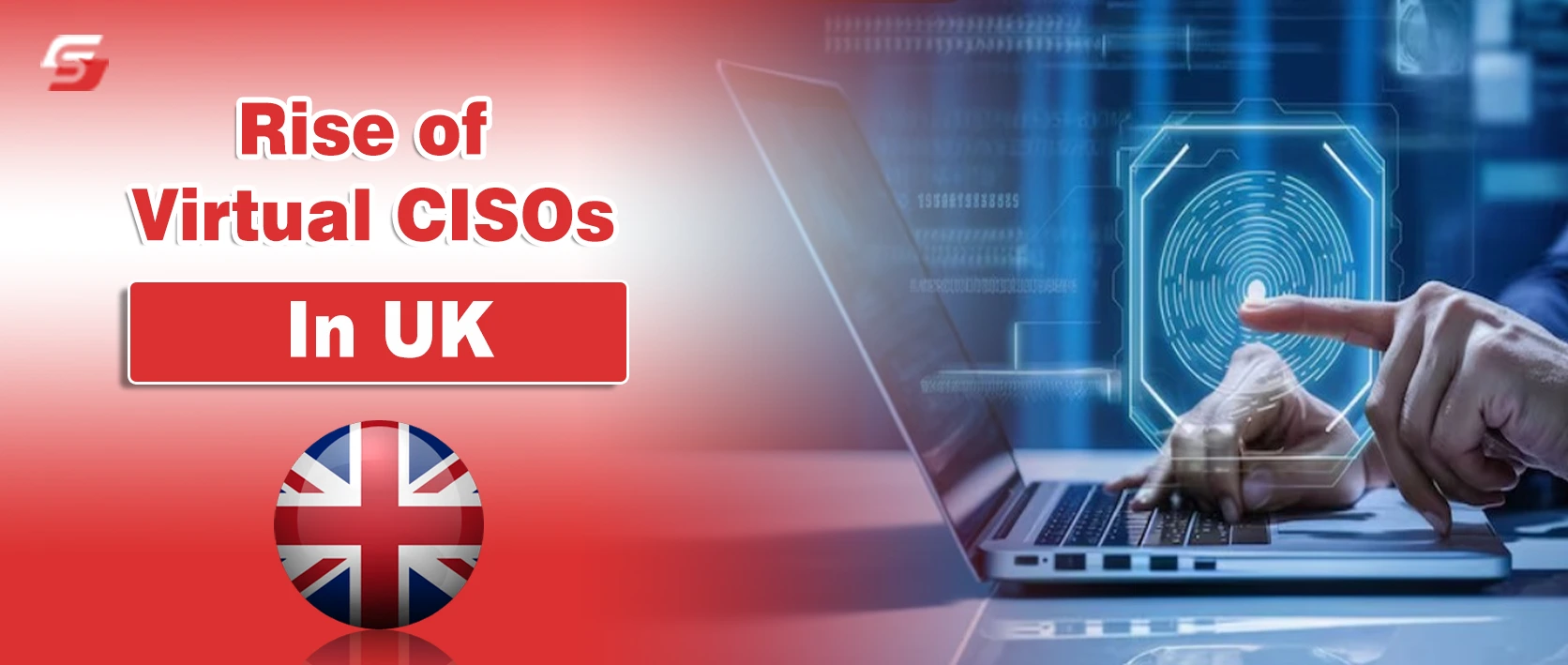
At the same time, for many organisations, especially SMEs, hiring a full-time Chief Information Security Officer (CISO) is simply not feasible. This is where Virtual CISOs (vCISOs) are stepping in—offering flexible, affordable, and highly skilled leadership to help UK organisations navigate today’s complex cyber landscape.
In this blog post, you will see why the Virtual CISO model isn’t just a passing trend—it’s reshaping the UK cybersecurity landscape and redefining how organisations protect themselves against evolving threats.

Why the Virtual CISO Model Has Grown in the UK?
Several UK specific factors have shaped demand for virtual CISO services. One is the well documented shortage of senior cyber security professionals. Industry bodies such as ISC2 have consistently reported gaps in experienced leadership roles across the UK workforce. As a result, organisations often struggle to recruit permanent CISOs with the right mix of technical knowledge and business awareness.
Another driver is regulation. Frameworks like the UK GDPR, the Network and Information Systems Regulations, and sector rules for finance and healthcare place clear expectations on how risks are managed.
Many organisations need expert oversight to meet these duties, even if their size does not justify a full-time appointment. A Virtual CISO offers access to senior guidance without the long-term commitment of a permanent role.
What a Virtual CISO Typically Does?
A Virtual CISO usually works as an external adviser who supports leadership teams on security matters.
Here’s how they typically help UK organisations:
- Strategic Leadership
They define security objectives, build roadmaps, and align cyber strategy with business goals. - Governance & Compliance
vCISOs guide organisations through frameworks like ISO 27001, Cyber Essentials, SOC 2, and NIST CSF, ensuring compliance and audit readiness. - Risk Management
They identify vulnerabilities, assess threats, and prioritise investments to reduce risk exposure. - Board-Level Communication
vCISOs translate technical risks into business language, helping directors and stakeholders make informed decisions. - Incident Response Planning
They prepare organisations for cyber incidents, ensuring clear processes and faster recovery.
Flexibility Without Long-Term Commitment
One reason organisations turn to virtual CISO services is flexibility. These arrangements can be scaled up or down depending on need. For example, a new business preparing for an audit or system change might require more intensive input for a period, then less ongoing support later.
This approach suits many organisations that face changing risks throughout the year. It also allows access to experienced professionals who work across different sectors. That broader view often helps identify practical solutions that have worked elsewhere, without copying them blindly.
Supporting Better Decision Making at Board Level
Cyber security decisions increasingly sit at board level. Regulators and insurers expect senior leaders to show awareness of cyber risk and oversight of controls. A Virtual CISO often supports this by providing independent advice and clear reporting.
Rather than focusing on fear-based messaging, the role encourages informed discussion. Boards gain a clearer view of where risks sit, which controls matter most, and how investment choices link to business goals. This outside perspective may help challenge assumptions and highlight gaps that internal teams have become used to.
Virtual CISOs are The Future of Cyber Leadership
Virtual CISOs are more than a trend—they represent a new model of leadership for the digital age. For UK organisations, especially those balancing tight budgets with growing risks, vCISOs provide the perfect blend of expertise, flexibility, and affordability.
By bridging the gap between technical teams and the boardroom, vCISOs are helping businesses not only defend against cyber threats but also build trust, resilience, and long-term growth.