




Are your advertising investments failing to deliver results? In this competitive market, rising costs and short consumer attention make it complicated to select your channel mix with precision. Funnel-first marketing offers a data-driven approach to align each channel with the customer journey.
This also ensures measurable and consistent growth. By building a channel mix, you gain a clear roadmap that connects specific channels to each funnel stage: awareness, consideration, and loyalty.
I have personally experienced returns improve significantly when each channel strategy is refined with measurable results. In this blog post, I will discuss funnel-first marketing in detail, including how to build a channel mix that actually works.
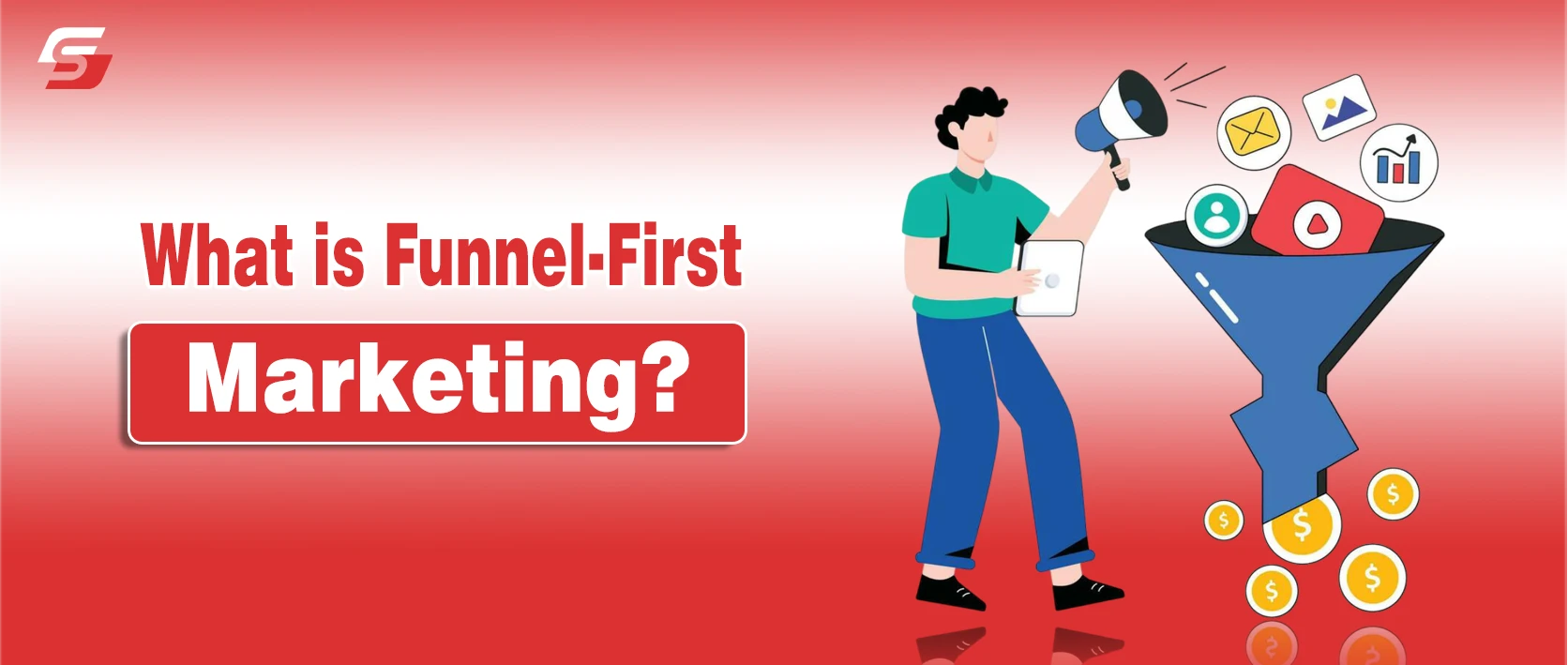
What is Funnel-First Marketing?
Funnel-first marketing is a marketing strategy used to guide customers through specific stages in the sales funnel. The funnel visually represents how customers progress to a purchase.
This method avoids using random campaigns for targeting your audience. Instead, it works by linking all customer touches to brand introduction, solution evaluation, and purchase. It helps businesses understand the customer journey and adjust messages for each stage.
Coordinating content with customer intent lets companies nurture leads and boost conversions. This system reveals bottlenecks and maximizes touchpoints. A funnel-first approach integrates prospects’ paths from awareness to loyalty, aiming for better ROI and lower acquisition costs.
How to Build a Funnel-First Channel Mix: Step-by-Step Guide
Building a funnel-first channel mix means shifting from channel-centric thinking to a journey-based strategy. You can ensure that every marketing dollar works by mapping digital channels to customer needs.
This approach smooths cross-channel friction, reduces mess, and creates a seamless path to conversion.
1. Define Your Ideal Customer Profile
Success starts with understanding your customers. Before working on strategy building and funnel creation, you have to go beyond demographics to learn their pain points, online behavior, and content preferences.
You have to identify which channels your target audience uses and what information they need at each funnel stage. And this gets done by creating an Ideal Customer Profile (ICP). This foundation bases your channel mix on real behavior, not assumptions, and also helps in boosting engagement throughout your marketing.
2. Map Content to Specific Funnel Stages
Now that you know your audience, match your content to three essential phases, which include Awareness, Consideration, and Decision phases. For Awareness, use educational blogs or quick videos that solve problems.
In Consideration, share case studies, webinars, and comparison guides that build trust. At Decision, use demos and testimonials to ease purchase friction. This ensures users get their required info and solution at each step, without feeling overwhelmed.
3. Select High-Impact Awareness Channels
At the Top of Funnel (TOFU), choose channels that grab attention and spark interest. In this digital age, this often means SEO articles, TikTok or Instagram Reels, and programmatic display ads.
FPC Sun creates high-quality and targeted content that aims to get your brand noticed and remembered. Using these platforms, you can draw in new, relevant traffic to fuel your marketing.
4. Implement Nurturing Middle-Funnel Tactics
The funnel (MOFU) is the point where you transform the interest into desire. Strong platforms in this category are email newsletters, retargeting advertisements, and interactive information such as calculators or quizzes.
One of the best practices nowadays is to use LinkedIn Retargeting Ads to target individuals who have already consumed your awareness content.
Following the best practices for LinkedIn ads at this stage means optimizing for impressions and engagement, not just clicks. If your goal is awareness, judge success by how many relevant eyes you’re getting in front of, not just how many people hit your landing page.
With Matched Audiences on LinkedIn, you can advertise to decision-makers with the use of the Ads via a two-way case study. You can customize your channel mix for your user depending on the way the user engaged with your content of awareness.
5. Optimize High-Intent Conversion Channels
When a prospect reaches the Bottom of the Funnel (BOFU), your channels should remove obstacles to purchase. Use Paid Search, direct emails with offers, and targeted SMS campaigns.
Make your messaging clear and compelling, reminding customers why they wanted to buy. Ensure channels have streamlined landing pages and one-click checkouts to reduce drop-offs and convert leads easily.
6. Integrate Cross-Channel Data and Tracking
A funnel-first approach only works when your data is consolidated across platforms. To track a user’s journey from social media to a specific email, use centralized dashboards. Installing the LinkedIn Insight Tag is best practice for B2B marketers.
It allows you to track conversions, retarget website visitors, and understand the demographics of your audience. Breaking down data silos gives you the clarity to adjust your budget in real time. It also helps in ensuring your marketing spend always targets the best-performing channels.
7. Continuous Optimization and A/B Testing
The final step is refining your channel mix. Use A/B testing for ad creatives, email subject lines, and landing pages to see what works at each funnel stage.
With fast-changing preferences, last quarter’s winners may no longer work. Regular funnel analysis reveals where drop-offs occur so you can keep improving conversion rates and ROI, and this will also help in optimizing your channel mix.
Final Thoughts
Funnel-first marketing is a direct way to boost your results and cut wasted spend. When you align every channel with the customer journey, you see higher ROI, better conversions, and real growth. Your audience moves through awareness, consideration, and decision stages, so your strategy should meet them at each step.
Build your channel mix with data, not guesswork. I recommend you apply this approach to your own business. With a focused, data-driven channel mix, you’ll build stronger customer relationships and a marketing engine that delivers real, lasting results.