




Key Takeaways
- Household problems are inevitable — from leaky taps and flickering lights to sticking doors and cracks in walls, every home faces wear and tear.
- Plumbing and electrical issues are the most common — dripping taps waste water, running toilets increase bills, and faulty wiring poses serious safety risks.
- DIY vs. professional help matters — simple fixes like changing tap washers or oiling hinges are DIY‑friendly, but electrical, gas, structural, or roof work should always be left to experts.
- Choose the right tradesperson carefully — get multiple quotes, check reviews, confirm qualifications, and ensure they carry proper insurance.
Don’t let everyday household problems become costly repair bills.
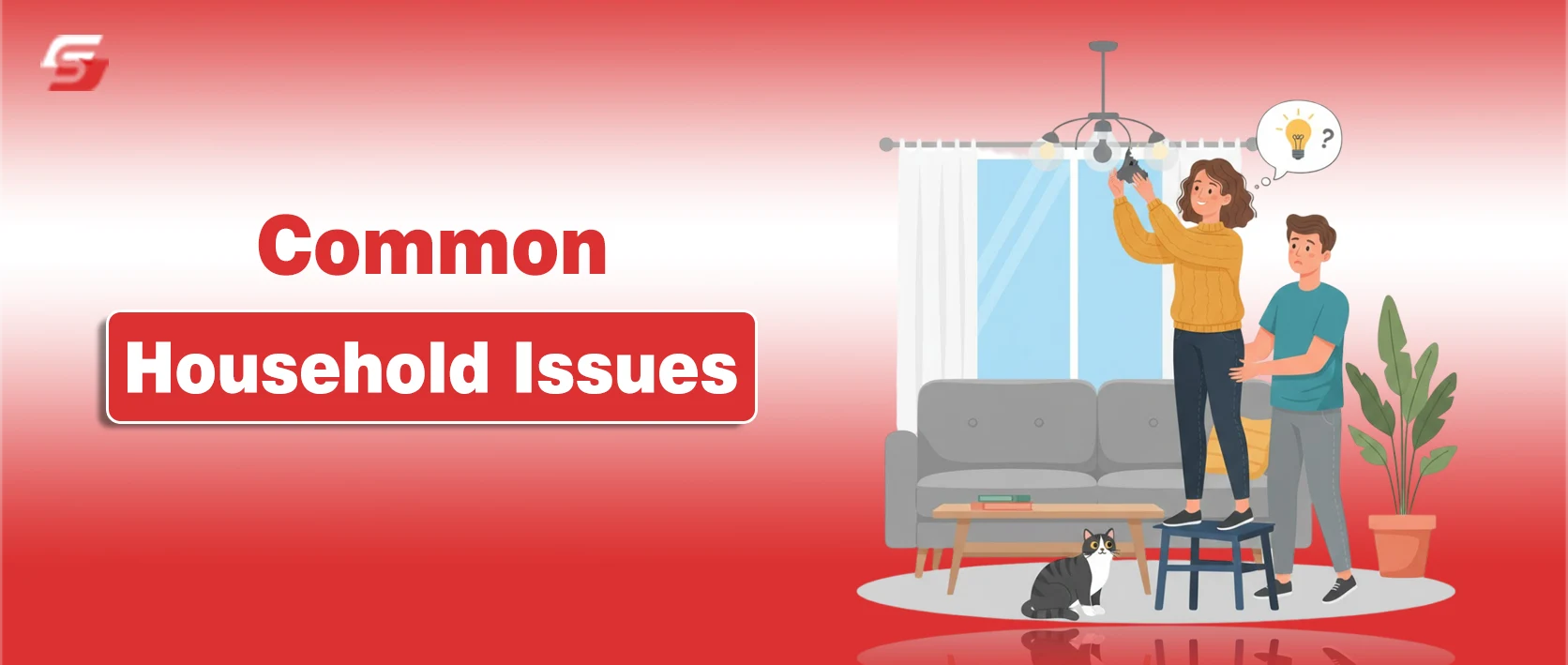
Sometimes the little problems at home sneak up on you. A leaky tap, a clogged drain, or a door that just won’t shut properly might seem minor at first, but if you leave them alone, they can quickly turn into bigger headaches. I’ve had my fair share of these everyday issues, and I’ve learned that fixing them early saves time, money, and stress.
In this guide, I’ll share some of the most common household problems and simple ways to deal with them, so your home stays comfortable and hassle‑free.
Why Household Repairs are More Important Than Ever?
It may not seem like an urgent problem if your sink isn’t draining or a door is stuck. But household repairs are more important than ever. Why?
Repairs keep your property value protected and, more importantly, keep your family safe.
Research from Houzz discovered that 94% of homeowners prefer to use a tradesperson when completing home improvements. That is a huge percentage. It goes to show how sought-after professionals are for general home repairs.
And who can blame them? The average UK home is over 40 years old. 2 in 5 were built before 1940, to be precise. With old properties come old problems that need taking care of.
The trouble is knowing what jobs you can DIY and when to locate a professional handyman you can trust. Spending that extra bit of money sooner can prevent turning a quick repair into an expensive problem.
Everyday Household Problems You Will Encounter
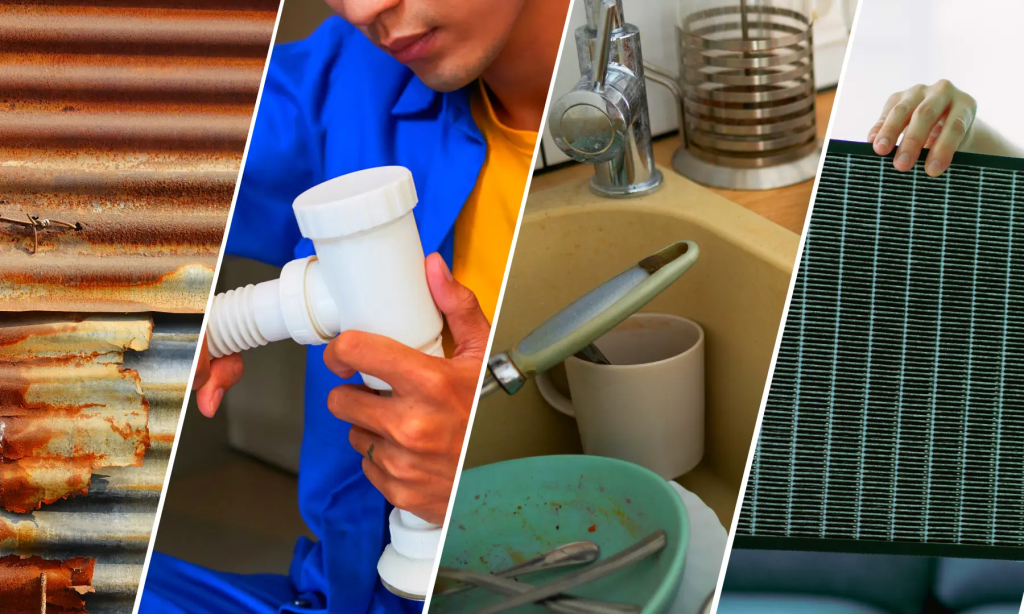
Certain problems seem to be everywhere. Knowing these common issues will allow you to understand how repairs can spiral if left unchecked.
1. Plumbing
Leaky taps are right at the top of the list. That constant tap-tap-tapping when you’re trying to sleep can drive anyone insane, but did you know that dripping tap is also wasting water? And costing you money.
You could be wasting hundreds of gallons of water with a leaky tap. Most dripping taps are caused by worn-out washers on the inside. Luckily, that’s an easy fix!
However, other problems don’t always cause such obvious symptoms. Slow drains, running toilets, and poor water pressure are all plumbing nightmares. Toilets that constantly run waste an unbelievable amount of water each year. A flapper valve not sitting correctly will prevent a water tight seal from forming.
Here are a few signs that you’ll have household plumbing issues…
- Water stains on walls or ceilings
- Increase water bills with no explanation
- Sink or showers taking longer to drain
- Puddles near appliances
2. Electricity
Electrical issues should be taken seriously. Flickering lights, tripped switches, and faulty sockets are all signs to look out for. You should never ignore any electrical issues in your home. They can become serious safety hazards.
Research from switch found that electricians are the number one trade that people hire in the UK. 60% of homeowners had required an electrician for their household repairs. Plumbers came second with 48%. Can you guess which problems were the most common?
3. Doors & Windows
Creaky doors, stiff locks, and draughty windows. They seem like a nuisance but rarely deal with straight away.
Broken or draughty windows lead to heat loss in winter (and cool air loss in summer). Your energy bills will skyrocket if you let this go on. Often something as simple as weatherstripping can help.
Sticking doors can be caused by seasonal humidity changes. Or your house (foundations getting older). Often planing down the edge of the door can resolve the problem of your house leveling. Other times it can be a sign of something more serious.
4. Walls & Ceilings
Cracks in your walls are not always the end of the world. Tiny hairline cracks are common as your property settles over time.
These are purely cosmetic and don’t need repairing. However, if you notice any large cracks that were not there before, it could be a sign of structural issues.
Damp patches on walls/ceilings or flaking paint are other signs. These are usually caused by a buildup of moisture somewhere. Locating where the water is coming from should be step number one.
DIY or Call The Professionals?
Some jobs are quick DIY projects you can handle on your own. But others should be left to the professionals.
These household repairs are safe to DIY:
- Changing tap washers
- Unclogging a drain
- Oil creaky door hinges
- Patching small holes in walls
- Replace light bulbs and switchplates
You should call a professional when:
- Electricity beyond lightbulbs is involved
- Gas appliances need repairing
- Serious plumbing faults
- Structural problems
- Roof work
If you’re ever in doubt, always call a professional. No job is too small, either. If there’s the slightest chance that electricity, gas, or structural elements are involved, don’t take the risk.
Finding The Help You Need
Not all tradies are equal. Just like any job, you search around for the best person for the job.
Firstly, get quotes. Always ask for 3 quotes from tradespeople. This will give you a ballpark figure of what it should cost. As well as the types of solutions they will provide. Ask about their experience with similar issues and double-check they have relevant qualifications.
Checking reviews of previous customers can also help. Consistent positives or negatives show you what to expect. When it comes to customer service, how they’ve worked in the past reflects how they will work for you.
Ensure they have the right insurance cover. A professional should have public liability insurance at the very least. That way, if something goes wrong, you aren’t covered.
Prevention is Better Than Cure
Finally, an ounce of prevention goes a long way. Regularly checking your property allows you to spot problems early on.
Prevention checks include:
- Check for leaks on taps/pipes – monthly
- Cleaning out gutters – twice a year
- Checking smoke detectors – monthly
- Boiler service – once a year
- Checking window seals – before winter arrives
Trust me. They take 5 minutes and could save you a big repair bill.
Final Thoughts
Household repairs may not be the most exciting part of homeownership, but they’re absolutely essential. Kitchens, bathrooms, attics, and older homes will always show signs of wear, and plumbing or electrical issues are bound to pop up.
The trick is to stay proactive—don’t let small problems linger, act quickly when something needs attention, and know when to call in an expert instead of trying to DIY everything. Regular maintenance might feel like a chore, but it’s the smartest way to protect your home, avoid costly surprises, and keep things running smoothly.