





Key Takeaways
- Home protection has evolved from simple locks to smart, connected systems that act like a digital safety net.
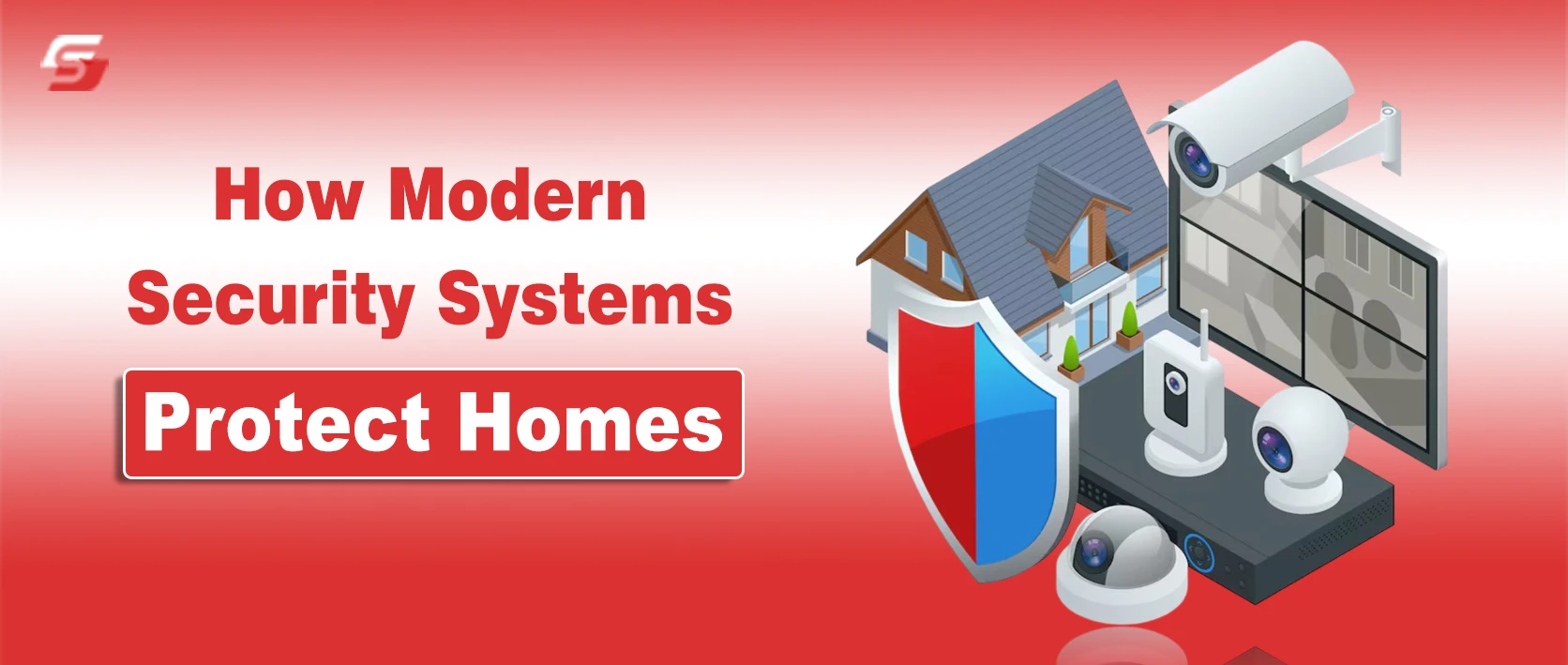
- Core components of Modern Security Systems include control panels, detectors, cameras, alarms, and access control—all working together to monitor and secure & safe homes.
- Detection, response, and monitoring form the backbone: sensors spot threats, alarms and alerts respond instantly, and apps provide real-time oversight.
- Modern systems deter intruders, collect evidence, and prepare for emergencies, giving homeowners confidence and peace of mind.
- Beyond intrusions, they enhance safety with fire, gas, and environmental monitoring, making homes smarter and more resilient.
Think back to the days when home security meant a sturdy lock and maybe a barking dog. Today, it is a totally different way to secure your residence. The security systems used today are not just an alarm that goes off when a window is broken, but they are intelligent, networked, and need to ensure that you are in charge wherever you are.
These systems form an online security net around your house, whether it is cameras that will stream live video to your phone, or sensors that will detect everything, including movement, smoke, etc. It is like a personal guard that will never sleep, and will be keeping an eye on your home and your family.
What is a Security System?
A security system is a network of devices and technologies designed to monitor, detect, and respond to potential threats in a physical space—most commonly a home or business.
These systems can be tailored for residential, commercial, or public applications and typically encompass elements such as alarms, cameras, detectors, and access control systems. The primary purpose of home security is to deter intrusions, prevent theft, and ensure the safety of individuals within the protected area.

How Security Systems Work?
Components of a Security System
Security systems can vary widely in complexity and features. However, here are the key components that most systems include:
- Control Panel. The central hub that connects all security devices, the control panel processes signals from sensors and alarms. It allows users to monitor and manage their security setup from a single point, often featuring a keypad, touchscreen interface, or mobile app control.
- Detectors. These devices detect specific conditions or activities, triggering alerts when unusual events occur. Common types of sensors include:
- Door and window detectors: alert the system when a door or window is opened or breached.
- Motion detectors: identify movement within designated areas and can activate alarms or cameras.
- Cameras. Security cameras provide visual monitoring around the property. They can record video footage, display live feeds, and can be accessed remotely via an app. Many modern cameras come equipped with features such as night vision, motion detection, and cloud storage.
- Alarms. Alarm systems activate when security breaches are detected, alerting the occupants and possibly notifying a monitoring service. Alarms can be audible sirens or silent alerts, depending on the desired response.
- Access Control. These systems regulate who can enter specific areas within a property. This can include keycard systems, biometric scanners, or smart locks, which enhance security by restricting access to authorized individuals.
The Functioning of Security Systems
So, how does a security system function as a whole?
- Detection. When a sensor detects an intrusion (like a door opening or movement occurring in a monitored area), it communicates with the control panel, alerting the system to a potential threat.
- Response. Depending on the system setup, the control panel can activate alarms, send alerts to the homeowner, or notify local authorities. For example, if a motion sensor is triggered at night, the system might sound the alarm and send a notification to your smartphone.
- Monitoring. Many modern systems provide continuous monitoring. Homeowners can access live video feeds from their cameras and review recorded footage through a mobile app. This capability enables individuals to monitor their property in real-time from any location.
What Happens When a Security System Works?
When a security system is functional, it creates a protective environment that deters potential threats. Here’s what typically happens when the system is engaged:
- Immediate Alerts. Homeowners receive instant notifications on their smartphones when sensors are triggered. This enables quick decision-making, whether it’s contacting authorities or assessing the situation based on the video feed.
- Emergency Preparedness. In the event of a security breach, alarm systems sound alarms that not only inform the occupants of the home but also potentially alert neighbors or passersby. The sound of an alarm can be a powerful deterrent to intruders.
- Evidence Collection. In the event of an incident, recorded footage from surveillance cameras can provide valuable evidence for law enforcement, aiding investigations and increasing the likelihood of recovering lost property.
- Increased Peace of Mind. Knowing that a functioning security system is actively monitoring your home significantly reduces anxiety. Homeowners can rest easier, whether they are at home or away, knowing that their property is protected.
Security That Never Sleeps
They also assure you that you feel that your home is safe, even when you are in it, at work, or even traveling. These systems put safety into an easy-going and consistent mode with smart alerts, AI-powered monitoring, and smoothness as a part of everyday life. With the continuous technological advancements, your home will no longer be safe, it will be smarter, more secure, and prepared for whatever the future has in store.