




If you’re getting your first tattoo, preparation is simple: keep your body healthy, choose a safe studio, confirm the design with your artist, avoid alcohol and irritation, eat before you go, and bring what you need to stay comfortable.
This guide walks you through everything step by step, what to do before your appointment, what not to do, how to manage pain, what to wear, what to bring, and how to feel calm during the session. By the end, you’ll know exactly how to prepare, what to expect, and how to make your first tattoo a smooth, safe, and confident experience.
Skin and Body Preparation Before Your Tattoo
Skin preparation supports cleaner lines, better ink hold, and smoother healing. Healthy skin has better elasticity, less irritation, and fewer complications. Simple habits, steady hydration, gentle care, and avoiding damage, help your tattoo artist work safely and help your skin recover well.
Should You Shave, Exfoliate, or Moisturize Before a Tattoo?
Shaving the tattoo area helps the artist work cleanly. Shave gently 24–48 hours before your appointment, not on the same day. Shaving too close to the session can cause small cuts and irritation that make tattooing uncomfortable. If you are unsure, let the artist shave the area.
Exfoliation smooths the surface only when it is done lightly. Avoid harsh scrubs and chemical exfoliants in the week before. A gentle exfoliation 2–3 days before may help, but stop if the skin becomes red or sore.
Moisturizing keeps skin soft and flexible. Use a plain, unscented lotion in the week leading up to the appointment. On the day of the tattoo, arrive with clean, dry skin, do not apply lotion right before the session.
Key reminders
- no shaving cuts
- no irritated skin
- no heavy lotion on tattoo day
Sunburn, Tanning, and Skin Damage: When to Reschedule
Sunburn weakens the outer skin and increases pain. Sunburned skin bleeds more and accepts ink unevenly. If the area is burned, reschedule until the skin fully recovers.
Tanning, from sunlight or tanning beds, dries and thickens surface layers. Recently tanned skin may fade faster and hold ink less predictably. Wait until natural skin tone returns before tattooing.
Skin damage such as cuts, peeling, rashes, chemical irritation, or active dermatitis must heal first. Tattooing over damaged tissue raises infection risk and leads to poor healing. Most artists will postpone until the skin is normal again.
Hydration and Nutrition | What to Eat and Drink
Hydration keeps skin supple and reduces sensitivity. Drink water regularly during the week before your appointment rather than trying to drink everything at once the day before. Well-hydrated skin allows smoother needle movement and can reduce discomfort.
Nutrition stabilizes energy during the tattoo session. Eat a balanced meal with protein and complex carbohydrates before your appointment. Stable blood sugar helps prevent dizziness, nausea, or fatigue while sitting for long periods.
Helpful choices:
- lean protein
- whole grains
- fruits and vegetables
- steady meals, not skipping food
Good nutrition also supports immune response, which helps the body heal afterward.
Skincare Products to Avoid Before Your Appointment
Retinoids and exfoliating acids (retinol, glycolic acid, salicylic acid) can thin skin and make it sensitive. Stop using them about one week before your appointment.
Alcohol-based toners, harsh astringents, and scented lotions dry the skin and increase irritation. Avoid them in the days leading up to your tattoo so the skin stays balanced.
Heavy oils and greasy ointments right before the appointment interfere with the stencil and the needle. These are useful later during healing, not before the procedure.
Avoid before appointment
- retinoids
- chemical exfoliants
- drying toners
- fragranced lotions
- thick oils and ointments
Managing Pain, Anxiety, and Comfort
Tattoo pain management is about preparation, calm breathing, and steady communication with your tattoo artist. A tattoo session stimulates the skin and nerves, so staying relaxed helps your body cope better. Understanding what pain feels like, which placements hurt more, how numbing works, and when to pause gives you control and comfort throughout the process.
How Painful Is a First Tattoo?
Tattoo pain feels different from a cut or burn. Tattooing creates a steady scratching or buzzing sensation as the needle moves through the top layers of skin.
Tattoo pain depends on:
- your personal pain tolerance
- the location of the tattoo
- the size and detail of the design
- how long the session lasts
Most first-timers describe the feeling as uncomfortable but manageable. Hydration, rest, and staying calm make the experience easier. Anxiety often makes pain feel stronger, while slow breathing reduces tension.
Tattoo Placement Pain Chart: Areas That Hurt More or Less
Tattoo placement plays a major role in pain. Areas with more bone, thinner skin, or many nerve endings usually feel sharper.
Areas that usually hurt more
- ribs and sternum
- spine and lower back
- ankles and feet
- hands and fingers
- armpit and inner arm
- neck and throat
Areas that usually hurt less
- outer upper arm
- thigh (outer)
- calf
- shoulder
- upper back
Placement also affects healing and long-term fading. Areas that rub against clothing or bend often may feel sore longer. Your tattoo artist can recommend the best placement for comfort and durability.
Do Numbing Creams Really Work?
Numbing cream is a topical product that uses anesthetic ingredients to dull feeling in the skin. These creams can reduce discomfort, especially for sensitive placements or long sessions.
Important facts:
- some creams reduce sensation, but they do not remove all feeling
- use only products approved for skin and tattoo work
- always ask your tattoo artist before applying anything
- improper use can irritate skin or affect stencil application
Some artists prefer applying numbing after the stencil is set or during breaks, depending on brand and skin response. Your artist will guide you on safe options.
Breathing, Relaxation, and Staying Calm
Breathing control helps your body stay steady during tattooing. Slow, deep breathing reduces tension and keeps your blood pressure stable.
Simple methods:
- inhale slowly through the nose
- exhale gently through the mouth
- keep shoulders relaxed
- avoid holding your breath
Relaxation keeps your muscles loose so the artist can work smoothly. Listening to music, talking calmly, or focusing on small distractions helps your brain shift away from the sensation.
The more relaxed your body, the smoother the tattoo process.
Can You Take Breaks During the Session?
Taking breaks during a tattoo session is normal. Breaks help your body reset, reduce swelling, and prevent dizziness or fatigue.
You should request a break when:
- you feel overwhelmed
- you feel lightheaded or shaky
- you need water or food
- your skin feels too sensitive
Short breaks allow the artist to wipe, assess, and continue safely. Too many breaks can slow the session, but reasonable pauses are always okay. Communication with your tattoo artist keeps you safe and comfortable.
What to Bring and Wear to Your Tattoo Appointment
Tattoo appointment preparation includes planning clothing, supplies, and payment ahead of time. The right outfit gives the tattoo artist easy access to the tattoo area, while the right items help you stay comfortable, hydrated, and calm during the session. Bringing what you need prevents delays, stress, and discomfort.
What to Wear for Easy Access and Comfort
Tattoo clothing should allow the artist to reach the tattoo area without stretching or exposing more than necessary. Clothing should also be loose so fabric does not rub against fresh ink.
Choose clothing based on tattoo placement:
- arm tattoo → short sleeves or loose T-shirt
- shoulder tattoo → tank top or strap that can move
- back tattoo → button-up shirt worn backward or zip hoodie
- leg tattoo → shorts or loose pants that roll up
- rib tattoo → loose crop top or comfortable sports bra
Wear dark, washable fabric. Tattoo ink can stain clothing. Avoid tight leggings, shapewear, and rough seams that press on the skin.
What to Bring: Snacks, Water, Headphones, and Essentials
Tattoo essentials keep your body steady and your mind relaxed. Long sessions require steady energy, hydration, and quiet distractions.
Bring:
- water bottle
- light snacks (keto jerky, granola bar, fruit, crackers)
- headphones or earbuds
- phone charger
- clean jacket or hoodie
- lip balm and tissues
- personal ID
- payment method
Avoid heavy meals right before, but do not come on an empty stomach. Stable blood sugar reduces dizziness and nausea.
How Long First Tattoo Sessions Usually Take
Tattoo session length depends on size, detail, placement, and your pain tolerance.
General ranges:
- tiny tattoo → 15–30 minutes
- small tattoo → 30–90 minutes
- medium tattoo → 2–4 hours
- large tattoo → multiple sessions
Longer sessions require breaks for water, stretching, and cleaning. Your tattoo artist will estimate time before starting, but plan your day so you are not rushed.
Do You Need Cash for Tipping?
Tattoo tipping is common because tattoo artists often rely on tips as part of income. Many studios prefer cash for tips, even when tattoo payments can be made by card.
Simple rule:
- pay for the tattoo however the studio allows
- bring cash for the tip, just in case
Typical tipping ranges are similar to service industries. If unsure, ask the studio politely before your appointment.
Bring:
- cash bills
- card or digital payment option
- receipt envelope if needed
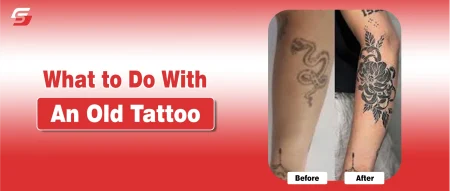
Having multiple payment options prevents awkward situations at checkout. Over time, tastes change, and that’s normal. If you’re curious about options like cover-ups or touch-ups, check out this guide on what to do with an old tattoo.
Final Thoughts | Stay Calm, and Enjoy Your First Tattoo
Your first tattoo does not have to feel overwhelming. When you prepare your body, understand what to avoid, plan your design carefully, and communicate openly with your tattoo artist, the experience becomes safer, smoother, and far more enjoyable.
Eat well, stay hydrated, get good sleep, avoid alcohol and irritation, wear comfortable clothes, and bring what you need to stay relaxed. Know that some discomfort is normal, breaks are allowed, and healing depends on proper aftercare.
A thoughtful approach protects your skin, honors the art, and helps your tattoo look good for years. Walk in prepared, trust the process, and let your first tattoo be something you’re proud to carry.
FAQs | Preparing for Your First Tattoo
Yes, eat a solid meal to keep your blood sugar steady and prevent dizziness.
No, alcohol thins the blood and makes tattooing harder and riskier.
Avoid aspirin and similar blood thinners; ask your artist or doctor if unsure.
Yes, arrive clean, but skip perfumes, lotions, and heavy oils.
No, avoid workouts for a few days to prevent sweat, friction, and irritation.
Many studios allow one guest; ask the studio first so you know the rules.