




Key Takeaways
- Fintech makes money management simple and accessible – apps now handle budgeting, payments, investing, and even savings automation, all from your phone.
- Technology and lifestyle shifts drive adoption – smartphones, better internet, and the demand for convenience push people toward digital tools over traditional banks.
- Users want control and transparency – real‑time alerts, spending analysis, and automation help build smarter financial habits.
- Younger generations lead the charge – Millennials and Gen Z expect fast, intuitive financial services that match the design of other apps they use daily
Keeping track of your money can be stressful and exhausting. Payments took days to process, finances were easy to lose track of, and there was always that nagging worry about whether a bill had actually been paid. You felt like you were reacting to issues all the time rather than getting out in front of them.
Things look different now. From budgeting tools to crypto wallets, personal fintech is reshaping how everyday people manage money.
In this blog post, I will explain what is personal FinTech, and break down what’s driving this rise & why it matters for you.
What Is Personal Fintech?
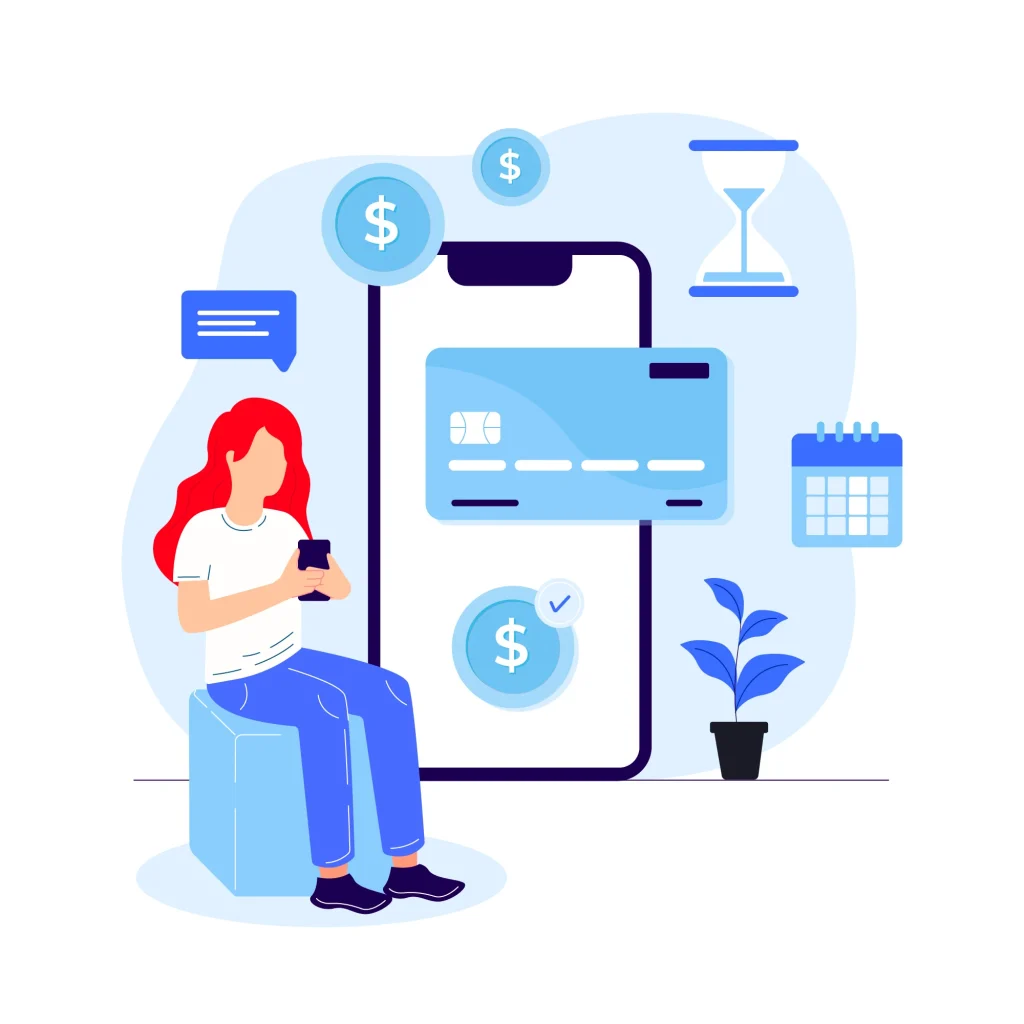
Personal fintech is about using technology to make money management easier. Instead of bringing your own bills to traditional banks and financial advisors, you now have apps and online platforms to take care of everyday needs like budgeting, bill-paying, sending cash, and investing. Numerous financial resources, such as the informative posts on CreditNinja’s blog, frequently discuss the impact these digital tools are having on personal finance.
Many of these apps link to your accounts and provide a complete view of your finances, so you can see where your money is going without reading statements. They are meant to be easy to use, visual and intuitive for non-finance people.
You’ve almost certainly already taken advantage of personal fintech without realizing it. Using a payment app to send a friend money, tracking your spending with a budgeting app or buying shares on a mobile platform: all are aspects of this ever-expanding field.
Why Personal Fintech Is Growing So Fast?
Personal fintech didn’t grow by chance. It grew as people changed their habits, technology advanced and expectations for managing money evolved. There are a few primary reasons why more people are opting for digital financial tools rather than traditional methods.
Smartphone and Internet Penetration
The proliferation of smartphones has been a key driver of fintech adoption. People can now handle their money-related tasks 24/7/365 from any location, without being tethered to a physical location. This convenience has helped make digital financial services a daily staple.
There has also been a substantial improvement in internet quality in many areas. With stable connections and reliable platforms, user confidence and comfort have increased when conducting financial transactions online. As mobile-first behavior becomes the norm, fintech solutions continue to expand their reach.
Demand for Financial Control
Many people are seeking a better understanding of how they spend their money. Fintech apps provide real-time transaction alerts, spending analysis, and goal-tracking capabilities that make it easier to keep an eye on finances. And that transparency allows users to make smarter decisions.
Automation is another key driver. Tools that round up purchases or auto-pay loans for good financial habits. Minimizing manual effort, that’s what fintech is all about.
Dissatisfaction with Traditional Banks
Traditional banks can be slow and complicated. Consumers are being driven away by long wait times, limited hours of operation, and inflexible systems. Fintech platforms respond with solutions that are more streamlined and quicker to use. In most cases, digital onboarding is hassle-free and fast. A few apps allow you to open an account, verify your identity and begin transacting all within a matter of minutes. It’s something that busy people can take advantage of.
Younger Generations Driving Adoption
Millennials and Gen Z are digital natives who navigate apps and online platforms with ease. They anticipate financial services that move as fast and have as high design standards as the other digital products that are part of their daily routines. That makes them more inclined to try fintech tools.
Key Categories of Personal Fintech
Personal fintech products are broadly defined as tools that make money management easier and more accessible. Now, instead of using one bank or service for everything, people can choose the best app for the job. Some are tailored for day-to-day spending, while others support long-term investing or pay-as-you-go plans. Collectively, these segments give consumers greater control and insight into their financial lives.
- Budgeting and Expense Tracking: These applications reveal how your funds are spent every month. They link to your accounts and categorize your spending. This will allow you to identify patterns and make adjustments quickly,
- Digital Payments and Wallets: You can use them to pay or send money with your phone. Transactions are quick and easy to track. Many support international transfers, too,
- Robo Advisors and Investment Apps: Investment apps help beginners get started with less confusion. Many automatically manage portfolios based on your goals. They also offer easy-to-use tools to monitor your performance,
- Buy Now, Pay Later: You can split payments for purchases under this tag. This can assist with short-term budgeting. You still have to plan so you don’t spend too much.
Benefits of Personal Fintech
Convenience is one of the most significant positive points of personal fintech. You can use your phone to manage your money anytime, anywhere, whether you’re checking your balance, paying bills or sending money. Everything is at your fingertips and you won’t have to waste time shuffling through paperwork or making trips to bank branches.
More visibility and control are other pluses. Most provide real-time alerts and summaries of your spending, plus informative dashboards that show your financial activities. When you know exactly where your money is going, it’s easier to make better decisions and stay on track.
Personal fintech also contributes to consistency through automation. Features like automatic savings transfers and bill pay also do some of the work for developing good habits. These apps remove small friction points to help keep you on track and focused on your long-term financial wellness.
How to Select the Best Fintech Tools
Finding the right financial tool is the first step toward understanding your financial goals. Consider what your priorities are; expense tracking, investing, money sending, or payments management. Not every app will suit your way of life, so it makes sense to focus on the ones that cater to a particular need you have.
Keep your priorities in order, and life will be easier for you. When you have done a little homework, compare the features, fees, and security of your choices. After you do some fact-finding, weigh the features, fees, and security of your options. Look for user reviews and find out how the company secures your personal information.
You may also want to keep in mind that it’s a good idea to start with one platform at a time so you can decide how it fits into your lifestyle. Having at least a bit of a plan means the tool is working with your financial habits rather than against them.
The Ongoing Rise of Personal Fintech
The growth of personal fintech illustrates how technology is transforming how people manage their finances. More people are opting for tools that simplify and clarify budgeting, paying, and investing. These services offer greater control, but they also require care and responsibility.
As digital solutions become mainstream, knowing how they work matters more. With a bit of knowledge and purpose, you too can take advantage of personal fintech and come out on the other side with stronger financial habits for the future.