



Key Takeaways
- AI translation tools vary significantly in real-world performance
- Smartcat and Phrase offer full workflow solutions
- DeepL excels in natural, high-quality translations
- Google Translate API is ideal for scalable, developer-driven use
- SDL Trados is best for enterprise-level localization teams
- The right tool depends on workflow, not just features
- Testing with real content is critical before committing
Every AI translation platform promises the same things: speed, accuracy, and seamless integration. On paper, they all look similar.
But in real-world use, the differences become obvious—especially once you’re mid-implementation. That’s when limitations surface, workflows break, and switching tools becomes expensive in both time and momentum.
For growing brands expanding into new markets, choosing the right translation software isn’t just a technical decision—it’s a strategic one.
Based on practical usage insights and how these tools perform beyond marketing claims, here are five AI translation software platforms worth serious consideration.
5 Best AI Translation Software Platforms
1. Smartcat
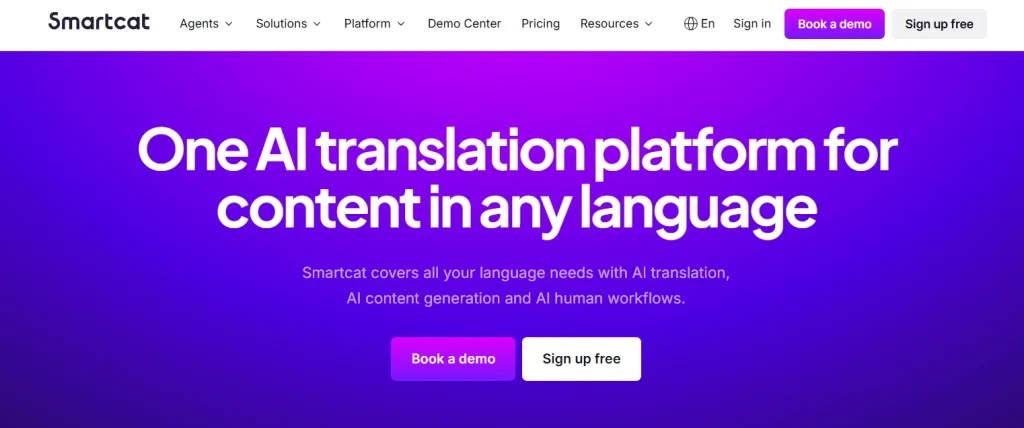
If your team wants translation plus full localization workflow management in one place, Smartcat stands out.
From experience, one of the biggest bottlenecks in translation projects isn’t the translation itself—it’s everything around it: file handling, collaboration, approvals, and version control. Smartcat addresses this by combining:
- Translation memory
- Glossary management
- Team collaboration tools
- Project management features
Its translation memory is particularly valuable for scaling brands. Every approved translation is stored and reused automatically, improving consistency while reducing costs over time.
Add in CMS integrations and support for multiple file formats, and you eliminate much of the manual work that slows teams down.
Best for: Teams that want an all-in-one localization platform without juggling multiple tools.
2. DeepL
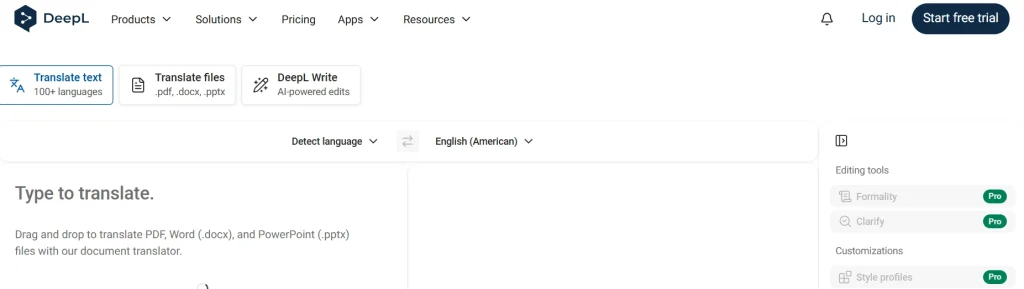
DeepL is widely recognized for more natural, human-like translations, especially in European languages.
In practical comparisons, its output often feels closer to professionally written content rather than machine-generated text—something that matters for marketing, brand voice, and customer-facing materials.
Independent evaluations and user feedback consistently highlight its strength in:
- Tone accuracy
- Sentence fluency
- Contextual understanding
However, DeepL is primarily a translation engine—not a full workflow solution. Teams typically need additional tools for:
- Project management
- Review processes
- Terminology enforcement
Best for: Brands that prioritize translation quality and already have a localization workflow in place.
3. Google Translate API
For development teams, the Google Translate API remains one of the most scalable and flexible options.
It supports nearly 130 languages and integrates easily into applications, websites, and internal systems. From experience, it performs best when used for:
- High-volume content translation
- Backend processes
- Real-time in-app translations
However, quality can vary significantly depending on the language pair. For customer-facing content, post-editing is usually required to ensure accuracy and tone.
Best for: Developers and product teams needing scalable, API-driven translation capabilities.
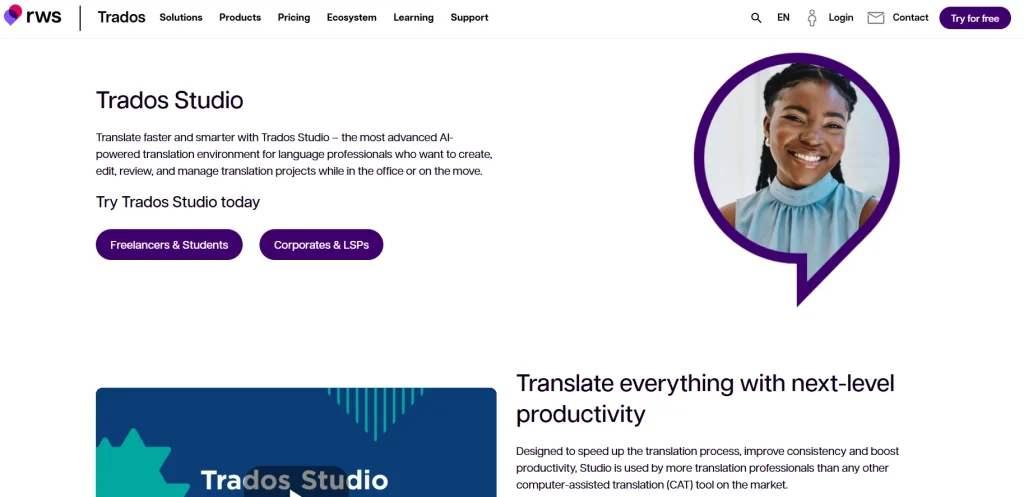
4. SDL Trados Studio
SDL Trados Studio has long been considered an industry standard for professional localization.
It offers:
- Advanced translation memory systems
- Terminology management
- Built-in quality assurance tools
In practice, Trados excels in complex, large-scale localization projects, where consistency and control are critical.
That said, it comes with a steeper learning curve and higher cost, making it less suitable for early-stage businesses without dedicated localization teams.
Best for: Enterprises or brands with in-house localization experts managing large volumes of multilingual content.
5. Phrase (formerly Memsource)
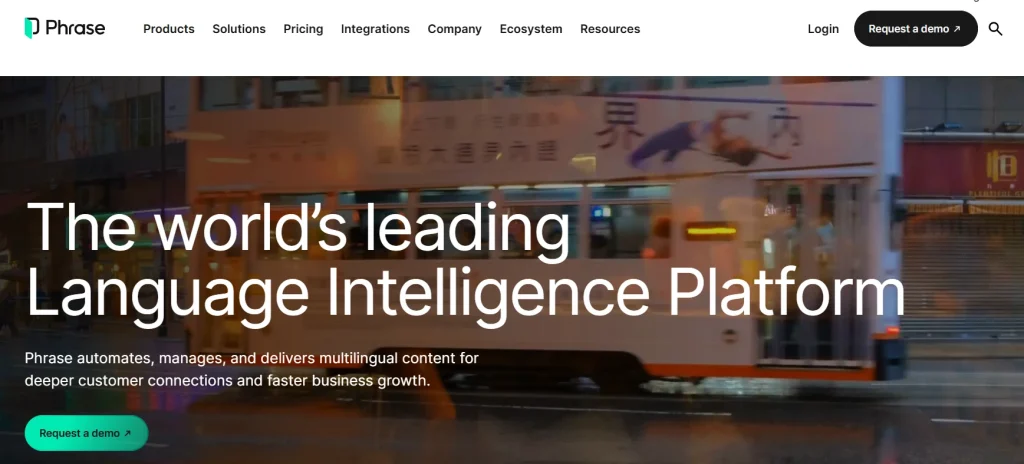
Phrase is designed for teams where localization is tightly connected to product development.
What makes it stand out is its integration ecosystem. It connects directly with tools like:
- GitHub
- Figma
- Major CMS platforms
From a practical standpoint, this means translation workflows can keep pace with product updates—without requiring separate processes.
For SaaS and tech companies, this alignment between development and localization solves a major operational challenge.
Best for: Software companies that need localization integrated into continuous product development cycles.
Final Thoughts: Choose What Fits Your Workflow—Not Just Features
The best AI translation software isn’t the one with the highest benchmark scores—it’s the one that fits how your team actually works.
See which content type your team most often translates? What are the top language pairs that matter for your current market priorities? Which tools already exist in your production workflow? How much localization is done in-house by your team?
Test real brand content on whatever platform you consider, in the actual language pairs that are relevant to your business. That test tells you what no product demo will show you.