





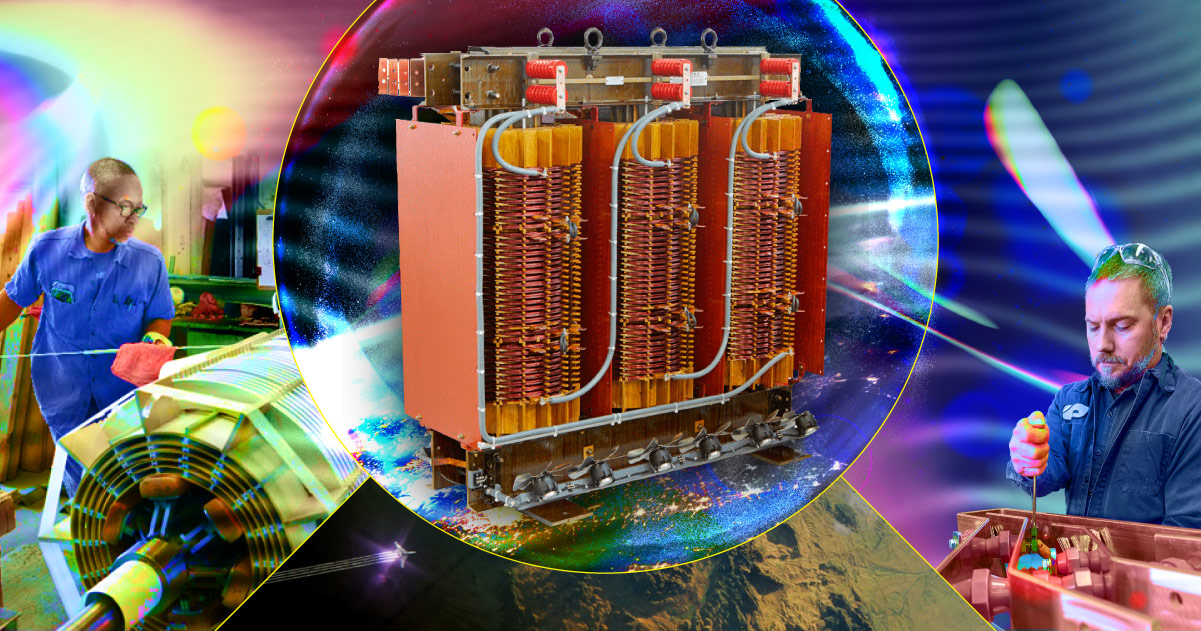
In the 21st century, things powered by electricity are at an all-time high. This includes things you expect, like cell phones and kitchen appliances, but also things that may surprise you such as gas pumps. As of 2023, this energy demand comes out to 4,049 Terawatt Hours (TWh). Around 37% of this demand comes from transportation, which includes anything from personal cars to aircraft. Similarly, around 35% is from industrial equipment for things like manufacturing, agriculture, or construction. The remaining 28% is split between residential homes and commercial buildings, mainly for lighting and miscellaneous devices. However, within just 25 years, this demand is expected to be 50% higher, or 5,178 TWh.
A lot of this can be attributed to the fact that new technological innovations and trends are electricity intensive. For example, the adoption of EVs is good for reducing the amount of gasoline used, but it’s also a taxing trend for the power grid. It is forecasted that EV’s will add between 100 TWh to 185 TWh. A much more pressing issue is the rise of Artificial Intelligence (AI). Each server request made via AI equates 8 Watt Hours, which on its own seems insignificant.
However, this is actually 23 to 30 times more powerful than simply Google searching the same thing. If every standard Google search was instead an AI query, the amount of electricity consumed to power this would be equivalent to the annual consumption of electricity of Ireland. On top of that, new technological innovations pop up every day, and those will also be reliant on electricity.
Upgradation of US Power Grids
There are some complications with upgrading the US power grid. It’s very hard to simply build more infrastructure as the power grid is already 470,000 miles of area. For perspective, this is almost enough to circle around the Earth 19 times. Spatial constraints aside, the actual cost of building new infrastructure is also a very expensive path forward. Transformers, for example, have nearly doubled in price in just 6 years. If you instead decided to replace infrastructure and get it up to code, the lead time could be up to 2 years for generators and power transformers.
Currently, the grid is aged between 40 and 70 years. A staggering 70% of transmission lines are over 25 years old and approaching their end-of-service date. Similarly, 55% of residential transformers are over 40 years old and are approaching their end of life as well. This has resulted in around 5% of energy transmitted being lost, which equates to around 202.45 TWh. With the forecasted power demand being so much higher, it is also estimated that transformer capacity must increase between 160% and 260%. With outdated transformers, this is simply not possible and could lead to damage to the existing transformers. Therefore, improving the power grid in sections seems to be the most intuitive way forward.
Modern medium voltage dry type transformers not only come with a warranty, but they are also 99.4% efficient compared to older models. This means that they are built to better manage higher loads, and you are able to easily replace models if anything happens to it. Compared to older transformers, this not only leaves you better prepared but it also provides you a backup plan if the power generation is too much for a particular system. With a more up-to-date power grid, we can not only keep up with energy demands, but have fewer power outages and more support for clean energy. Since it’s unlikely there will be a lower power demand in the future, the best way to stay prepared is by upgrading the US power grid today.

Source: ELSCO