



Key Takeaways
- People are actively avoiding systems that add unnecessary steps to simple tasks
- Digital fatigue has shifted expectations toward faster, frictionless experiences
- Low-effort routines like auto-pay, saved lists, and scheduled tasks reduce daily stress
- Services that simplify essentials (banking, healthcare, payments) are gaining popularity
- Slow, complex systems are often abandoned in favor of cleaner alternatives
- Functional minimalism focuses on fewer clicks, fewer decisions, and better efficiency
Ever notice how even the simplest task somehow turns into a full-blown process?
You start with “I just need to pay this bill”, and 40 clicks later, you’re resetting a password, verifying your identity with blurry selfies, and trying to remember which childhood street you “lived” on in 2004.
But here’s the shift: people are done with that. Instead of tolerating friction, they’re actively choosing simpler systems and cutting out the extra steps wherever possible.
In this blog, we will share how people are cutting out those extra steps and managing life’s basics without all the mess.
How People Avoid Extra Steps in Everyday Tasks
Cutting the Clutter in a World Built on It
We live in a time where every platform wants your attention, your data, and ideally both at the same time. Even “essential” services have grown bloated. Getting a prescription refill, setting up a simple payment, or checking your balance often means climbing through a mess of prompts, banners, security hoops, and surprise offers you didn’t ask for.
But people aren’t putting up with it the way they used to. The post-2020 mindset, fueled by remote work, digital fatigue, and the mass realization that most tasks could be easier if someone just bothered, has led to a quiet shift in behavior. Instead of adapting to bad systems, people are replacing them. Essentials like banking, groceries, and healthcare are being handled with fewer steps, less friction, and more control.
Consider what used to be a half-day errand: opening a checking account. It meant dressing like you were meeting a loan officer, sitting in a branch lobby, and signing papers you didn’t fully read. Now, many people just apply for a checking account online, skip the in-person drama, and manage everything from their phone. That’s not just convenience. It’s a response to a life that no longer tolerates wasted time.
People aren’t interested in more features. They want fewer complications. The expectation now is clear: give me what I need, when I need it, and don’t make me tap through ten menus to get there.
Routines That Remove Friction
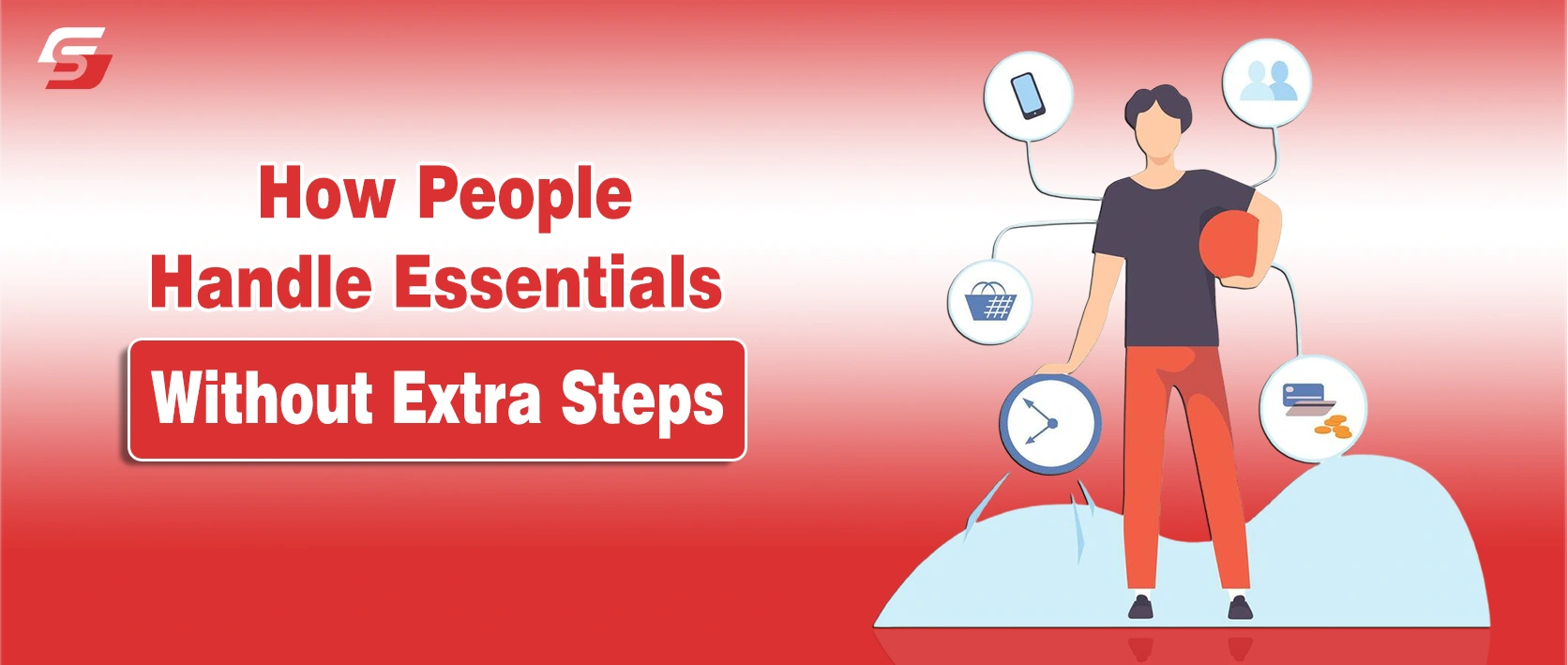
What actually helps people avoid extra steps is building low-effort systems that quietly handle what used to eat up hours. These aren’t elaborate productivity methods, just small things done early that save time later.
Take grocery shopping. Most people aren’t clipping coupons or browsing aisles for inspiration. They’re making the same list every week, buying from saved items, and sticking to delivery or curbside pickup. Not because they love apps, but because it keeps them out of traffic, away from checkout lines, and free from making 40 tiny food decisions they don’t care about.
Even work communication has changed. People now filter meetings, mute unnecessary threads, and only check email during specific windows. Not because they’re antisocial, but because distraction has a cost. The time you lose switching tasks doesn’t come back. So they build habits that keep things moving in straight lines.
Automation plays a role too, but not in the buzzword sense. This isn’t about smart homes brewing your coffee. It’s setting recurring calendar events to pay rent. Using a note app instead of trying to remember that thing you need to do later. Letting bills auto-pay not for efficiency, but so you don’t lose your weekend chasing late fees. People don’t want to optimize. They want things not to fall apart.
Essentials Managed Without the Side Quests
There’s a growing refusal to treat basic tasks like epic missions. People want to refill prescriptions, send money, update their license, and make appointments without the process turning into an obstacle course. And now, some systems are catching up to that demand.
Telehealth, for example, saw a surge during lockdowns, and it stuck. Not because it’s trendy, but because people don’t want to sit in traffic or germ-filled lobbies for a five-minute consult. Online appointments are now just another Wednesday errand. This isn’t innovation. It’s a correction.
The same applies to how people manage money. Fewer are going to branches, waiting on hold, or digging through paper statements. Instead, they’re using mobile banking apps that make balance checks, transfers, and scheduling fast and tolerable. Not fancy. Just clean and direct.
Even though people’s voting habits are changing. More states are streamlining registration and mail-in ballot access, because if the past few election cycles taught us anything, it’s that clunky systems suppress participation. The easier you make something, the more likely people actually do it. That’s not just civic engagement, it’s human nature.
No Time for Slow Systems
People don’t just dislike slow systems anymore. They avoid them altogether. If a process drags or feels clunky, they’ll abandon it halfway through and look for a cleaner alternative. You see this with customer service. If live chat isn’t fast, people won’t wait. If they can’t get a refund without calling, they just dispute the charge with their bank.
This trend has forced many industries to simplify or lose customers. Insurance companies, delivery services, even government agencies have quietly started streamlining their sites and reducing steps—not out of generosity, but survival.
At the root of all this is something bigger than preference. It’s about trust. If a system feels hard to use, people assume it’s hiding something or doesn’t respect their time. That trust is hard to win back once it’s lost.
Minimalism, but Make It Functional
There’s also a cultural side to this movement. The minimalism trend that once revolved around white walls and furniture has shifted into something more functional. It’s not about owning less. It’s about doing less nonsense to handle your needs.
People want fewer apps. Fewer clicks. Fewer pieces of paper to sign or lose. They want settings that stay saved, interfaces that remember them, and services that don’t send five follow-up emails asking for feedback.
The modern version of “getting your life together” isn’t a dramatic overhaul. It’s shaving five steps off that one annoying task you do every week. It’s streamlining the mess so you can focus on what actually needs your brain.
Where It’s All Heading?
The takeaway isn’t that everyone’s turning into time-management wizards. It’s that the bar has shifted. If a task feels like it belongs in 2008, it probably won’t survive. People are making active choices to protect their time and attention, because they have less of both than ever.
As tools evolve, winners won’t be the platforms with the most features; they’ll be the ones that require the least effort.
No one’s expecting life to be perfectly smooth. But when essentials can be handled without detours, people feel less drained, more in control, and better able to deal with everything else that isn’t so easy.
Final Thoughts
People aren’t expecting life to be effortless—but they are expecting it to be less complicated. When essential tasks can be handled quickly and without friction, everything else feels more manageable.
That’s why this shift matters. It’s not just about convenience anymore; it’s about control. And in 2026, the systems that make life easier, not busier, are the ones people choose to keep.