





Over 4,000 courses are offered each semester at the University of Pennsylvania. But each course offers unique learning experiences and benefits. Some professors are legendary, while others leave students struggling. Workloads vary, and popular courses fill up quickly, making registration stressful. Your choice of the wrong class can lower your CGPA and make the semester more challenging.
If you want to avoid wasting time and facing unnecessary stress, Penn Course Review can help you. It gives you insights to choose courses that really suit you. It provides honest student feedback, ratings, and workload insights to help you make smarter choices and build a schedule that actually works for you.
In this Penn Course Review guide, we’ll break down its features, show you how to interpret ratings, and explain how to choose courses that match your learning style and goals.
All You Should Know About Penn Course Review

Penn Course Review is an online platform created for students at the University of Pennsylvania (UPenn). It provides detailed feedback, ratings, and comments about courses and professors, all written by students who have taken those classes.
Students use Penn Course Review to:
- Check course difficulty
- See the expected weekly workload
- Read honest student comments
- Compare professors teaching the same course
- Make better decisions when choosing classes
Student-focused Tools Of Penn Course
UPenn offers several student-focused tools that make class planning easier and less stressful. These platforms help you compare courses, track availability, and create a schedule that actually works for your lifestyle.
They usually offer three primary services, as listed below.
1. Penn Course Review
Penn Course Review is a student-powered website that provides real data on courses and professors. You can browse honest reviews, difficulty scores, workload expectations, and teaching style insights. All the information is shared by students who have already taken the class. It helps you choose courses that match your learning style instead of guessing what the semester will look like.
2. Penn Course Alert
Penn Course Alert is the best option when you’re trying to get into a full class. You just sign up for a course, and the system instantly notifies you by text or email whenever a seat opens. It saves you from constantly refreshing the registration page and gives you a better chance of grabbing a spot in high-demand courses.
3. Penn Course Plan
Penn Course Plan helps you build a clean, organized schedule without stress. You can compare different class options, test out schedule combinations, and check workload metrics at a glance. It also shows conflicts, breaks, and credit totals, so your final schedule feels balanced and manageable. It’s the perfect tool for planning a smooth, efficient semester.
How to Choose Classes Using Penn Course Review
Using Penn Course Review is straightforward. Here’s a quick breakdown:
- Search for Your Course: Type in the course name or code, and Penn Course Review instantly shows all available reviews for that class.
- Check Professor Ratings: View ratings from past students to understand an instructor’s teaching quality, grading style, and overall performance.
- Read Student Comments: See honest feedback about workload, difficulty, and teaching style to get a real sense of what the class is like.
- Compare Courses: Match reviews and ratings across different classes to choose the option that best fits your schedule and goals.
- Use Filters: Refine your search by semester, professor, or course type to see only the most relevant course insights.
What Makes Penn Course Review Useful
| Feature | Description |
| Overall Course Ratings | Quick snapshot of student satisfaction. |
| Difficulty Ratings | Shows how challenging the course is. |
| Workload Estimates | Weekly time commitment required. |
| Professor Ratings | Evaluates teaching style and clarity. |
| Student Comments | Tips and personal experiences from peers. |
Is Penn Course Review Accurate?
The platform is largely accurate because of high participation and authentic student feedback. Most courses have multiple reviews, which ensures reliability. However, no platform is perfect; always combine Penn Course Review insights with syllabi, department guidance, and personal research to get the whole picture.
Users Reviews On Penn Course
Many users share their thoughts and reviews on the Penn Course. Let’s have a look at some of them to get an idea about the platform.
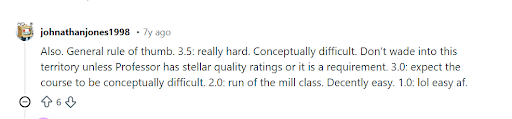
Review On the Difficulty Of Classes:
Johnathanjones shared his reviews about the course.
Review 2:
Tyler McCormick has a YouTube series with detailed information on Penn Course Review.

How You Can Interpret Penn Course Ratings
1. Look for Patterns
Focus on repeated themes rather than isolated complaints, as patterns give a more accurate picture of the course experience.
2. Consider Course Level
Keep in mind that higher-level classes usually come with more depth and difficulty, so their ratings may naturally skew harder.
3. Pay Attention to the Professor’s Feedback
Instructor reviews reveal teaching styles, communication habits, and overall classroom approach, helping you decide if the professor matches how you learn best.
4. Check for Context
Some feedback comes from students in certain majors or backgrounds, so their expectations and challenges differ from yours.
Who Can Benefit from Penn Course Review
Penn Course Review is useful for many types of students and support staff, each benefiting from the platform in different ways.
- New students: New students can use Penn Course Review to understand course difficulty, workload, and professor style, helping them choose classes confidently during their first semester.
- Upperclassmen: Upperclassmen rely on the platform to compare electives and major courses, making it easier to pick classes that fit their goals and semester workload.
- Transfer students: Transfer students use Penn Course Review to quickly learn how UPenn courses are structured and decide which options align with their previous academic experience.
- Advisors: Advisors reference student feedback from Penn Course Review to guide learners toward classes that match their strengths, schedule needs, and long-term academic plans.
Top Student Mistakes and How to Avoid Them
Even with PennCourseReview, students sometimes make mistakes. Avoid these:
| Mistake | How to Avoid It |
| Relying only on ratings | Always read student comments for context. |
| Ignoring workload | Use reviews to plan your semester realistically. |
| Following popular opinion blindly | Focus on what fits your learning style. |
| Skipping official course info | Combine reviews with course descriptions. |
Wrapping Up
Penn Course Review gives you a clear view of professors, workloads, and course experiences. By using the platform wisely, reading ratings, analyzing comments, and combining them with official course info, you can plan a semester that matches your learning style and goals. This tool enables you to make informed decisions and enhance your overall academic experience at Penn.
If you are looking for courses and career benefits, our Institute of Data review breaks it all down.
Frequently Asked Questions
Absolutely. It helps you understand what to expect from unfamiliar departments by giving you insights into course structure, professor expectations, and the general learning environment. This makes it easier to choose electives that align with your goals without taking a class that feels overwhelming.
Yes, because it highlights the expected workload and time commitment for each class. Students involved in clubs, sports, or leadership roles can use this data to avoid overloading themselves. It helps you build a semester that supports both academic and personal commitments.
Indirectly, yes. When you choose classes that fit your strengths, learning style, and weekly availability, you naturally set yourself up for better performance. By avoiding unexpectedly heavy or misaligned courses, you create a smoother path toward academic success.
Definitely, it helps you evaluate which professors or courses are worth taking later, especially for sequences, electives, or major requirements. Many students use it to map out balanced semesters across multiple years so they avoid clusters of difficult courses at once.
Penn Course Review updates its data every semester once student evaluations are completed and processed. This means you always see fresh feedback based on the most recent teaching styles, course changes, and professor performance. It helps spot trends or major shifts in course quality.
Yes, first-year students often find it especially helpful because it breaks down courses in simple, student-friendly terms. It highlights factors such as workload, difficulty, and teaching style, making early academic planning much easier. It also helps new students avoid accidentally choosing advanced or intensive classes too soon.